 EN
EN

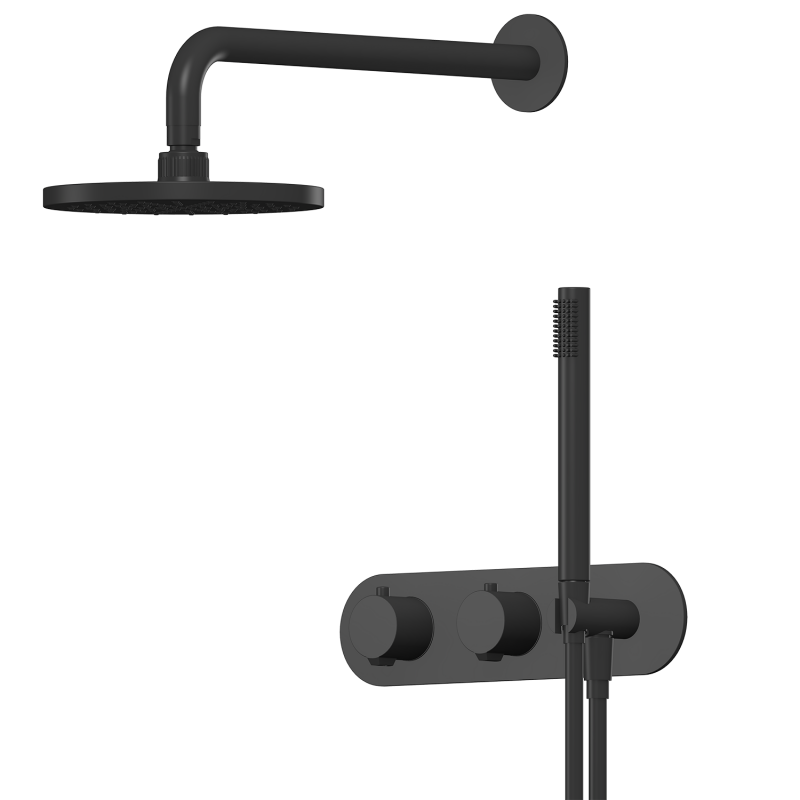
Selecting the right shower control technology is an important specification decision for hotels, serviced apartments, resorts, and other high-use bathrooms. Thermostatic and pressure-balanced systems are both designed to reduce unwanted temperature changes, but they achieve this through different control mechanisms. That difference affects temperature stability, user comfort, installation requirements, maintenance, and the type of shower configuration each system can support. For project teams, the better approach is to evaluate the valve technology together with water pressure, outlet configuration, local plumbing requirements, and lifecycle expectations.
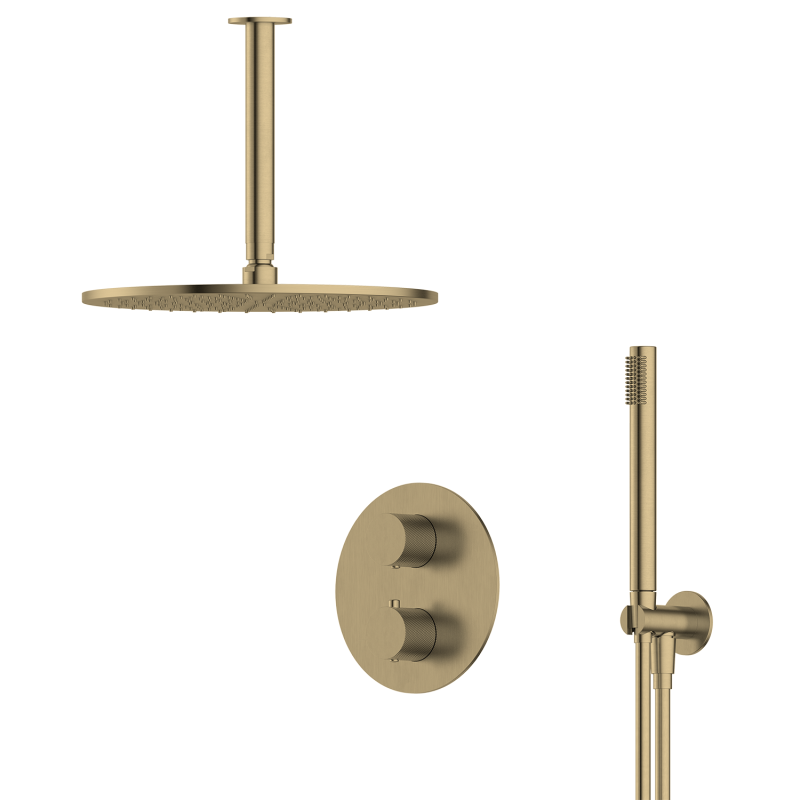
The distinction becomes particularly relevant in hospitality projects because a shower control may be installed across dozens or hundreds of rooms. A minor weakness in temperature control, installation compatibility, or servicing can therefore become a repeated operational issue. A properly specified shower system should be selected according to its control method, valve performance, flow requirements, installation conditions, and available technical support rather than by finish or appearance alone.
How Thermostatic and Pressure-Balanced Systems Work
Thermostatic Temperature Regulation
A thermostatic system uses a temperature-sensitive cartridge to monitor the mixed-water temperature and automatically adjust the hot and cold water ratio. When the incoming water conditions change, the cartridge reacts to restore the selected outlet temperature. This makes temperature control the primary function of the valve rather than treating it as a consequence of pressure balancing alone.
Some thermostatic cartridges are specified with a temperature tolerance of no more than ±1°C under defined test conditions. For example, Flova states a tolerance of ±1°C for its thermostatic mixer technology. This figure should be treated as a manufacturer-specific performance specification, not as a universal result for every thermostatic product.
Many thermostatic configurations also separate temperature and volume control. Once the preferred temperature is established, the user can adjust the water volume without continuously changing the temperature setting. This arrangement is useful in multi-outlet systems where a project may combine an overhead shower with a hand shower or other controlled outlets.
Pressure-Balanced Temperature Compensation
A pressure-balanced system takes a different approach. Its cartridge responds to changes in the relative pressure of the hot and cold water supplies. If pressure on one side drops because another fixture begins drawing water, the valve adjusts the flow balance to reduce the resulting temperature change at the outlet.
Pressure balancing is therefore primarily a response to pressure fluctuation, while thermostatic regulation directly monitors temperature. Delta's current technical information, for example, specifies approximately ±2°C temperature consistency for its pressure-balanced systems. As with thermostatic products, the exact performance figure depends on the cartridge and the manufacturer's stated test conditions.
Thermostatic vs. Pressure-Balanced Performance
Temperature Stability
The most significant technical difference is what each valve senses. A thermostatic valve responds directly to water temperature and adjusts the mixed-water ratio accordingly. A pressure-balanced valve reacts to changes in hot- and cold-side pressure. Both can reduce temperature shocks, but the control principles are not identical.
For the comparison used in this article, a useful specification reference is approximately ±1°C for thermostatic control and approximately ±2°C for pressure-balanced control. These figures provide a practical way to explain the difference in precision, but hotel specifications should still use the performance value stated for the selected valve rather than assume that every product meets the same tolerance.
Temperature Control Versus Volume Control
Thermostatic systems are often selected when designers want temperature and water volume to be controlled independently. This allows the user to establish a preferred temperature and then adjust flow without repeating the temperature-setting process.
Pressure-balanced systems can also provide reliable everyday control, but a simpler configuration may combine temperature and flow adjustment through one control. For a standard single-outlet guest shower, this can be entirely adequate. For higher-end bathrooms with several outlets, separate controls can provide a more predictable user experience.
Response to Changes in Water Supply
Hotels can experience changes in water demand when multiple guestrooms are occupied, public facilities are in use, or several outlets operate simultaneously. A pressure-balanced cartridge is designed to compensate for pressure changes between hot and cold supplies. A thermostatic cartridge can respond not only to pressure changes but also to changes in the actual temperature of the incoming water.
This makes thermostatic control particularly useful when the project requires tighter temperature regulation. However, the valve still depends on an appropriate water supply, sufficient flow, correct installation, and properly adjusted safety limits. No valve can compensate indefinitely for an undersized or unstable plumbing system.
Safety, Standards, and Hotel Specification
Anti-Scald Protection
Both technologies are used in automatic compensating valves designed to reduce the risk of sudden temperature changes. In the U.S., ASSE 1016/ASME A112.1016/CSA B125.16 addresses automatic compensating valves for individual showers and tub/shower combinations. The standard covers the performance of valves intended to control final shower temperature and reduce the effects of supply-side changes.
The presence of an anti-scald cartridge does not eliminate the need for correct installation. Maximum temperature limits, hot-water supply conditions, pressure differences, check valves, and commissioning all affect final performance. Hotel specifications should therefore state the applicable standard and require the supplier to provide the corresponding certification or test documentation for the target market.
Why Temperature Precision Matters in Hospitality
Temperature consistency has a direct effect on perceived shower quality. Guests generally expect the temperature they selected to remain stable rather than requiring repeated adjustment during use. This expectation becomes more important in premium hotels and resorts, where the shower experience is part of the overall room specification.
For that reason, procurement teams should compare stated temperature tolerance, response behavior, safety-stop settings, cartridge construction, and maintenance requirements rather than evaluating the exposed control design alone.
Cost and Installation Considerations
Why There Is No Universal 30–50% Premium
Thermostatic systems generally require a higher initial investment than basic pressure-balanced systems because they use a temperature-sensing cartridge and may include separate volume controls or more complex valve configurations. However, stating that thermostatic systems always cost 30% to 50% more is not a sufficiently reliable industry benchmark.
Current manufacturer pricing shows why a fixed percentage can be misleading. Delta's current product listings show its Trinsic TempAssure 17T thermostatic valve-only trim at $570 to $870 depending on finish, while the comparable Trinsic Monitor 17 pressure-balanced valve-only trim is listed at $249.90 to $385. The difference varies with finish and configuration, and these are manufacturer list prices for specific valve trims rather than an industry-wide average.
For hotel procurement, the better method is to compare matched configurations. The comparison should include the rough-in valve, trim, diverter or volume-control requirements, installation labor, finish, and any modifications needed for an existing plumbing layout.
Installation and Retrofit Requirements
Installation complexity can influence the total project cost more than the difference between two valve technologies. A new-build hotel allows the concealed valve, supply pipework, outlet positions, and access points to be planned before the wall is closed. Retrofit projects are more restrictive because the existing rough-in may not be compatible with a new valve platform.
Before approving a specification, contractors should verify inlet connections, valve dimensions, outlet capacity, required water pressure, installation depth, service access, and compatibility with the selected trim. These checks are particularly important when converting a standard shower to a multi-outlet system.
Which System Fits Different Hotel Applications?
Premium Rooms and Multi-Outlet Showers
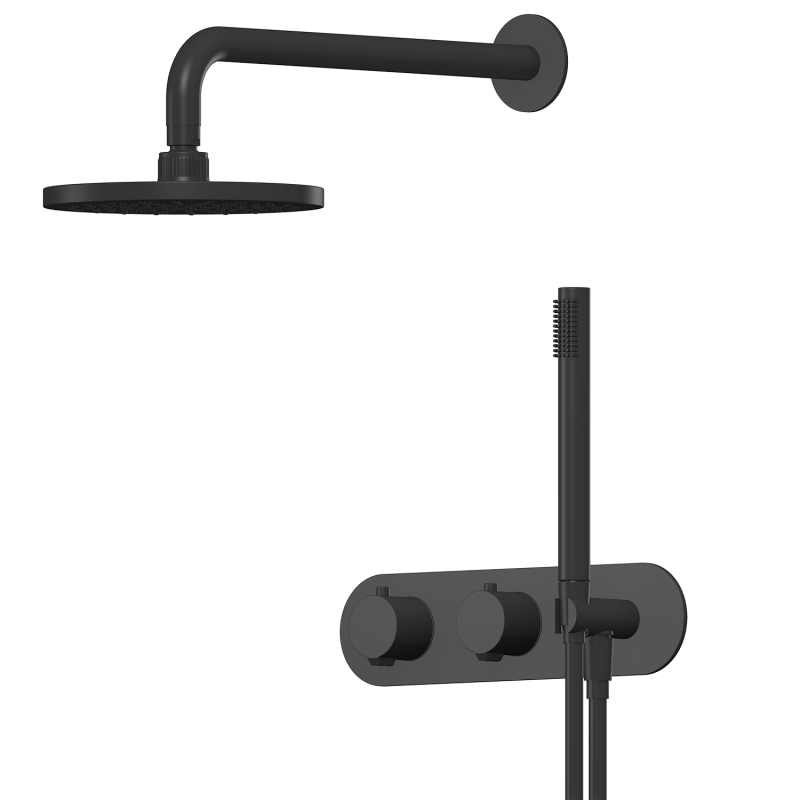
Thermostatic control is often a strong fit for premium guestrooms, suites, resorts, and bathrooms using multiple shower outlets. The ability to maintain a selected temperature while changing water volume can simplify operation when an overhead shower and hand shower are both included.
For example, Bathsino's shower range includes systems built around overhead and handheld shower functions and offers concealed and exposed installation options. Its specifications also identify the thermostatic cartridge, flow rate, material, and available finishes, providing the type of technical information that should be reviewed during hotel project selection.
Standard Guestrooms and Simpler Shower Layouts
A pressure-balanced system can be a practical option for standard guestrooms where the shower has one primary outlet and the plumbing system provides stable hot and cold supplies. Its simpler operating concept may also make it easier for maintenance teams to understand and service across a large property.
This does not mean that pressure-balanced control is a lower-quality solution. It means the technology can be matched to a less demanding configuration. When the project does not require independent volume and temperature control, a properly specified pressure-balanced valve may provide an efficient balance between performance, installation, and budget.
Accessible and High-Use Bathrooms
Bathrooms designed for accessible use or higher-risk users require particular attention to maximum temperature settings, control operation, and anti-scald performance. The finish and exposed trim should not be allowed to drive the selection before functional requirements have been established.
The correct approach is to define the applicable accessibility and plumbing requirements first, then select the valve and trim combination that satisfies those conditions while providing the required temperature and flow control. This sequence reduces the risk of discovering compliance or usability issues after installation.
How to Specify the Right Shower Control
Start With System Requirements
Before choosing the valve type, document the number of outlets, expected simultaneous flow, available hot and cold pressure, water-heater capacity, installation method, maximum delivery temperature, and required certifications. A premium finish can be selected afterward without changing the functional basis of the specification.
For projects that require a complete shower package rather than an individual control valve, a complete shower set specification can also simplify procurement. It allows the design team to evaluate the shower head, hand shower, hose, controls, cartridge, finish, and warranty as one coordinated package.
Plan for Long-Term Maintenance
Maintenance requirements should be considered before the product is standardized across a hotel. Procurement teams should request cartridge replacement procedures, spare-part availability, recommended cleaning methods, warranty terms, and expected service support. Hard-water environments may require additional attention to filters, check valves, and cartridge servicing.
Bathsino's current thermostatic shower faucet technology range illustrates the importance of looking beyond trim appearance. The underlying cartridge, safety function, installation configuration, and temperature-control performance all contribute to the final result. For a large project, these technical details are more valuable than choosing a model based on styling alone.
FAQ
What is the main difference between thermostatic and pressure-balanced shower controls?
A thermostatic system senses the mixed-water temperature and adjusts the hot and cold ratio to maintain the selected setting. A pressure-balanced system responds mainly to changes in the relative pressure of the hot and cold supplies. Both are designed to reduce sudden temperature changes, but thermostatic control provides more direct temperature regulation.
Is ±1°C better than ±2°C for a hotel shower?
A smaller tolerance indicates tighter temperature control under the manufacturer's stated test conditions. For the comparison in this article, ±1°C is used as the thermostatic reference and ±2°C as the pressure-balanced reference. Actual performance varies by product, operating pressure, inlet temperature, and test method, so the final project specification should rely on the selected model's technical documentation.
Does a thermostatic shower always cost 30% to 50% more?
No. There is no universal 30% to 50% premium that applies to every thermostatic system. Price differences depend on the valve platform, trim, finish, number of outlets, diverter functions, and installation requirements. Current manufacturer pricing shows that the difference between matched products can vary substantially, so hotel buyers should compare the total installed specification rather than use a fixed percentage.
Which control type is better for a hotel?
Neither technology is universally better. Thermostatic control is often well suited to premium rooms and multi-outlet showers where precise temperature management and independent controls are valuable. Pressure-balanced control can be a practical choice for standard single-outlet guestrooms where a simpler valve configuration meets the project's performance and safety requirements.