 EN

The bathroom fixture landscape is becoming more design-led in 2026, with hotel architects and project specifiers looking beyond traditional polished metal finishes when defining guest bathrooms. Choosing between a gold bathroom faucet and a chrome faucet involves more than appearance; it also affects cleaning routines, design coordination, maintenance planning, and long-term product consistency. For hospitality projects, finish selection should be considered alongside water efficiency, accessibility, applicable plumbing standards, and the operating requirements of the property.

Bathroom fixture upgrades remain a significant part of renovation projects. In the 2025 U.S. Houzz Bathroom Trends Study, 87% of surveyed homeowners undertaking bathroom renovations reported replacing their faucets, while 68% considered special needs in their projects. These figures describe residential renovations rather than hotels, so they should not be interpreted as hospitality-specific market data. They nevertheless provide useful context for understanding why fixture selection, usability, and coordinated design deserve attention early in a renovation or construction project.
The Rise of Warm Metals in Modern Hotel Design
Why Warm Metals Are Gaining Attention
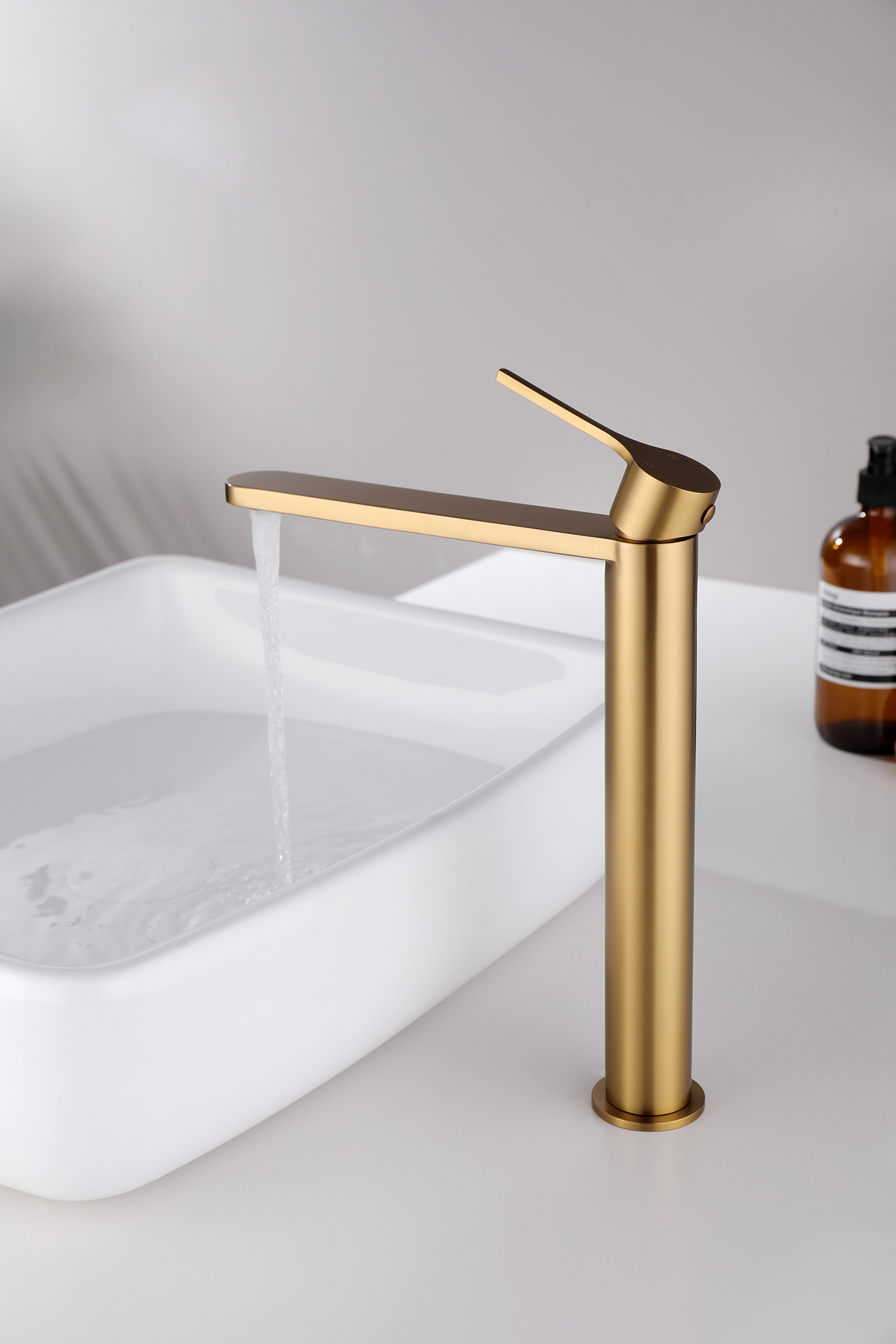
Warm metals can make hotel bathrooms feel more inviting and visually distinctive. Brushed gold pairs well with marble, natural stone, wood-look cabinetry, and warm neutral tiles because its softer reflection introduces color without the mirror-like effect of highly polished surfaces. Under different lighting conditions, including daylight, vanity lighting, and indirect ambient light, the finish can create subtle variations in the overall appearance of the bathroom.
Chrome remains a practical option for properties seeking a bright, neutral finish that coordinates easily with different materials and fixture categories. It is also familiar to contractors, maintenance teams, and replacement-parts suppliers. Rather than treating one finish as universally superior, project teams should consider the intended design style, cleaning requirements, product availability, and lifecycle needs of the property.
What Bathroom Renovation Data Tells Designers
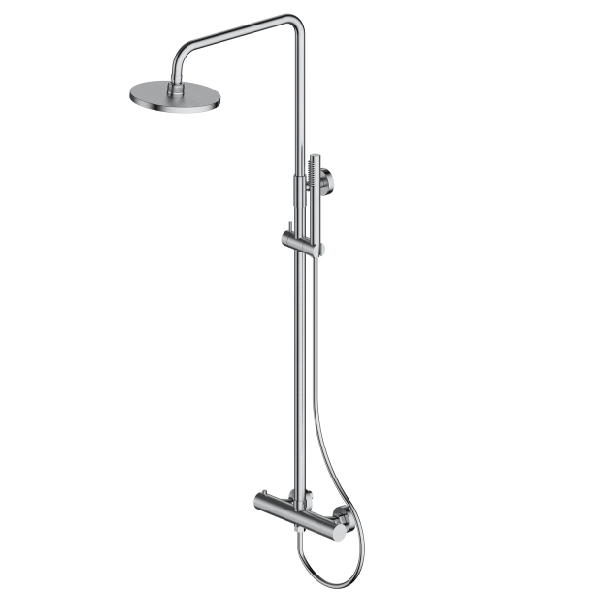
The 2025 Houzz study found that showers were replaced by 75% of surveyed homeowners undertaking bathroom renovations, making them another important component of bathroom upgrades. For hotel projects, the practical takeaway is to coordinate faucets, shower systems, accessories, and other visible hardware during the specification stage. This helps prevent differences in finish, reflectivity, or color tone when fixtures from separate product categories are installed together.
Brushed Gold vs. Chrome: Technical Factors for Hotel Projects
Surface Finish, Cleaning, and Daily Maintenance
Finish performance should be evaluated through the surface treatment rather than color alone. Polished chrome has a smooth, reflective surface that creates a bright appearance, but fingerprints and water marks can be noticeable under strong vanity lighting. Brushed gold uses a directional surface texture that can make minor marks less visually prominent between cleaning cycles. This does not eliminate the need for routine cleaning; it changes how the surface appears under everyday use.
Hotel procurement teams should request the manufacturer's cleaning instructions, prohibited chemicals, coating information, and warranty conditions before confirming a specification. Abrasive pads and unsuitable descaling products may damage decorative surfaces, whether the selected finish is gold, chrome, brushed nickel, or another metallic option. Establishing a consistent cleaning procedure also helps housekeeping teams maintain a uniform appearance across multiple guestrooms.
Water Efficiency and Product Performance
Water efficiency is a measurable specification requirement, particularly in hotels with high fixture usage. The U.S. EPA WaterSense bathroom faucet guidance states that WaterSense-labeled bathroom sink faucets and accessories have a maximum flow rate of 1.5 gallons per minute (gpm) and can reduce flow by 30% or more compared with the 2.2 gpm standard. EPA also identifies 0.5 gpm or less as an efficient flow rate for public-use lavatories, while noting that public lavatory faucets are not eligible for the current WaterSense label.
For hotel projects, the distinction between private guest-room bathrooms and shared public restrooms matters when specifying flow rates. A decorative finish does not establish a fixture's water efficiency or regulatory compliance. Product data sheets should therefore be reviewed for flow rate, operating pressure, cartridge configuration, and applicable certification requirements alongside the aesthetic specification.
Accessibility and Applicable Plumbing Standards
Accessibility requirements should be assessed independently from finish selection. In the United States, the 2010 ADA Standards for Accessible Design address faucet controls under Section 606.4 and require those controls to comply with the operable-parts requirements in Section 309. These provisions concern usability and control operation rather than whether a fixture has a gold, chrome, black, or other decorative finish.
For plumbing supply fittings, project teams may also encounter ASME A112.18.1/CSA B125.1-2024, which covers plumbing supply fittings and accessories, including bath and shower fittings, lavatory fittings, shower heads, handheld showers, and body sprays. The applicable requirements depend on the project jurisdiction, product category, and local code. Specifications should name the relevant standard directly instead of combining unrelated systems into a term such as "ISO ADA/ANSI."
Customized Finishes and Hotel Design Flexibility
Why Customization Matters in Large Projects
Hotel projects rarely involve a single isolated fixture. Basin faucets, shower systems, bathtub fittings, and bathroom accessories often need to share a consistent finish across dozens or hundreds of rooms. Standard chrome can simplify sourcing, while brushed gold and other specialty finishes can help establish a distinctive design identity. The appropriate choice depends on the project's design brief, procurement requirements, and the availability of coordinated products.
Working with a custom shower head manufacturer can provide additional flexibility when a project requires a particular finish, spray configuration, installation method, or coordinated shower package. For large-volume hotel procurement, customized finishes are useful when the design team needs to maintain consistent appearance across different fixture categories. Buyers should confirm available finish samples, production lead times, minimum order requirements, and the possibility of obtaining matching replacement products for future renovations.
Coordinating Faucet, Shower, and Hardware Finishes
A coherent hotel bathroom design usually relies on a coordinated finish system rather than one statement fixture. Brushed gold can complement warm cabinet hardware, mirror frames, and lighting details, while chrome offers a neutral metallic foundation for brighter stone and cooler tile palettes. A matte black bathroom faucet provides another option when the design calls for stronger contrast against light-colored countertops or wall finishes.
Mixing finishes can work when the contrast is deliberate, but the specification should define the dominant finish, secondary finish, and placement of each option. Finish names such as brushed gold, champagne bronze, gunmetal, and satin brass are not universal color standards. Physical samples or approved finish references are therefore more reliable than product names alone when coordinating products from different suppliers or manufacturing batches.
Specification Strategy for Hotel Bathroom Projects
Evaluate Finish Together With Technical Data
A professional hotel bathroom specification should combine appearance, performance, and documentation in one review. Before approving a finish, procurement and design teams should verify the substrate material, coating or plating process, flow-rate specification, cartridge or valve type, installation method, warranty, and replacement-part availability. This reduces the risk of selecting a fixture based on a visual rendering before confirming its technical suitability.
Manufacturer documentation is particularly important when comparing customized finishes. The 74 Series shower system from watersino, for example, lists brass construction, a 9.0 L/min flow rate for the handheld and overhead shower, multiple finish options, and certifications including Watermark, CE, CUPC, and WRAS. Reviewing these product-level details allows designers to compare the visual specification against documented performance and market-specific requirements. Buyers should still verify that the particular model and configuration meet the standards required for the intended project.

Plan for Maintenance and Replacement
Hotel fixtures typically experience more frequent use than residential bathroom fixtures, so lifecycle planning should account for cleaning frequency, water quality, replacement intervals, and spare-parts support. Procurement teams should ask whether the same finish can be supplied for future replacement units and whether cartridges, aerators, hoses, and other service parts will remain available after the initial project installation.
Maintenance budgets should also account for potential faucet repair cost, replacement labor, and the time required to source matching components. A finish that looks attractive in a showroom may become difficult to maintain if replacement parts are discontinued or if later production batches have visibly different tones. Long-term supplier support and product continuity can therefore be as important as the initial purchase price. Hotel buyers can review the manufacturer's product range alongside the technical documentation to check whether coordinated fixtures are available across the complete bathroom package.
FAQ
Is a gold bathroom faucet suitable for hotel bathrooms?
Yes. A gold bathroom faucet can suit hotels seeking a warmer, more distinctive design, particularly when paired with natural stone, warm neutral tiles, and coordinated accessories. The finish should be evaluated alongside coating specifications, cleaning requirements, warranty terms, and the availability of matching products for future maintenance.
Is a chrome faucet easier to maintain than brushed gold?
Not necessarily in every operating environment. Chrome is widely available and familiar to maintenance teams, while brushed finishes can make minor fingerprints and water marks less visually prominent. Actual maintenance requirements depend on the surface treatment, water quality, cleaning products, and housekeeping procedures.
Are customized finishes suitable for large hotel projects?
Yes, provided that the manufacturer can supply consistent finishes across the required product categories and project quantities. Buyers should confirm samples, production lead times, warranty terms, and future replacement availability. These checks are particularly important when faucets and shower systems must match throughout multiple guestrooms.
What should hotels consider when estimating faucet repair cost?
The estimate should include replacement components, technician labor, finish matching, product availability, and any disruption caused by removing or replacing the fixture. Standardizing compatible products and confirming spare-part support before procurement can make maintenance planning more predictable. The initial purchase price alone does not represent the total cost over the fixture's service life.