 EN
EN

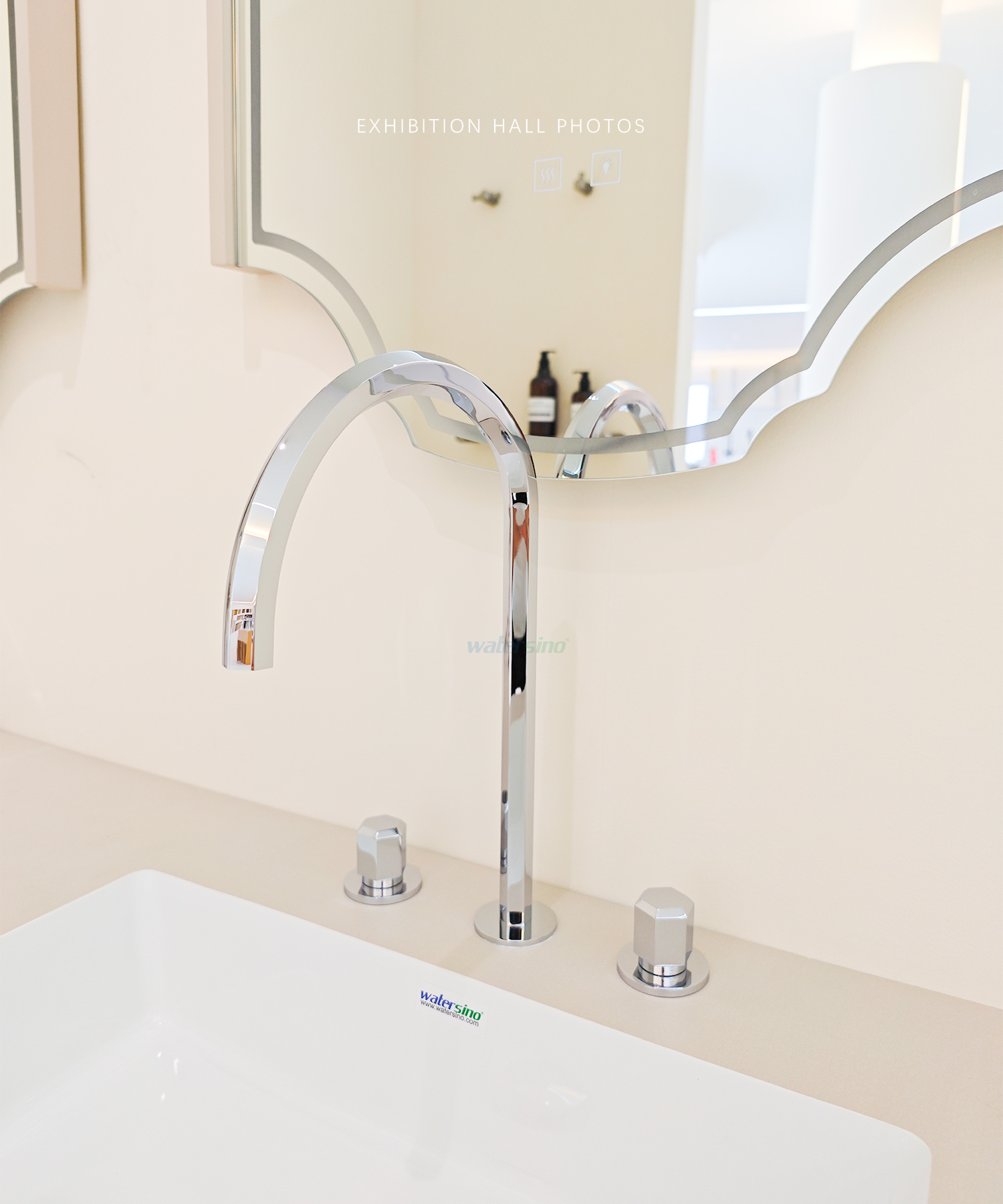
The increasing global focus on water conservation has significantly changed the design and manufacturing requirements for modern bathroom products. Today, a low flow faucet is no longer simply a water-saving fixture but a carefully engineered product that must balance water efficiency, user comfort, material safety, durability, and regulatory compliance across multiple international markets.
For manufacturers, producing compliant products involves much more than reducing water output. Every component—from the faucet body and ceramic cartridge to the aerator and flow regulator—must work together to deliver stable pressure, comfortable spray performance, long service life, and consistent quality.
For distributors, contractors, developers, and procurement teams, understanding how manufacturers achieve these standards is essential when selecting suppliers for hospitality, residential, and commercial projects.
This article explains the engineering technologies, international certification requirements, quality control procedures, and manufacturing capabilities behind globally competitive low flow faucet solutions.
International Standards for Water-Efficient Faucet Production
Different countries have established their own regulations governing water efficiency, material safety, and plumbing performance. Manufacturers serving global markets must design products that satisfy multiple certification systems simultaneously.
One of the most recognized programs is the U.S. Environmental Protection Agency's WaterSense certification.
Watersense certified faucets must reduce water consumption while maintaining user comfort and washing performance.
Typical WaterSense requirements include:
| Performance Item | Typical Requirement |
|---|---|
| Maximum Flow Rate | ≤1.5 GPM (5.7 L/min at 60 psi) |
| Water Saving | At least 20% lower than standard faucets |
| Flow Consistency | Stable under varying water pressure |
| User Comfort | Uniform spray pattern without splashing |
To obtain certification, products undergo independent laboratory testing covering:
- Flow rate verification
- Spray performance
- Pressure stability
- Mechanical durability
- Material safety
Meanwhile, European manufacturers generally follow EN 817 and related mechanical performance standards.
Australian projects commonly require WaterMark certification together with WELS water-efficiency ratings.
Because every market applies different requirements, experienced manufacturers often develop modular product platforms that can be configured according to destination-country regulations.
Material Safety and Construction Quality
Water efficiency alone does not define product quality.
Material safety, corrosion resistance, and structural reliability are equally important for long-term performance.
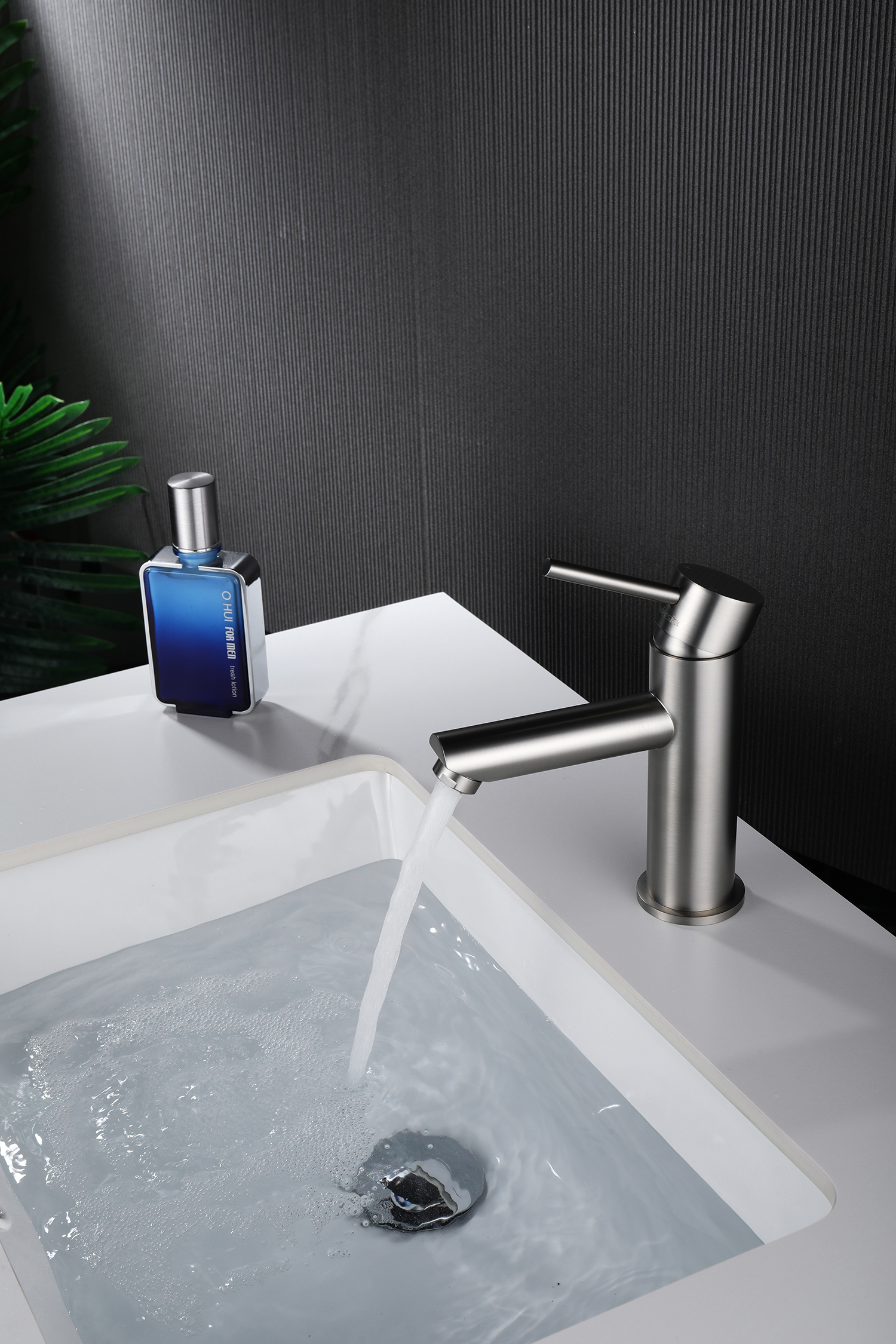
A professional low flow faucet is typically manufactured using premium brass because brass offers:
- Excellent corrosion resistance
- High mechanical strength
- Stable dimensional accuracy
- Long service life
- Reliable sealing performance
Compared with zinc alloy components, brass maintains better performance under continuous exposure to moisture, temperature fluctuations, and commercial cleaning chemicals.
Professional manufacturers also establish complete raw material traceability systems to ensure compliance with international lead-content regulations and drinking-water safety standards.
Before production begins, incoming materials are inspected for:
- Chemical composition
- Mechanical properties
- Surface quality
- Dimensional accuracy
- Supplier certification
This traceability system improves production consistency while supporting international certification audits.
Engineering Technology Behind Efficient Water Control
Designing a high-performance low flow faucet requires balancing water conservation with user comfort.
Rather than simply restricting water output, manufacturers optimize the internal hydraulic structure to maintain stable flow under different operating conditions.
Engineering considerations include:
- Internal waterway design
- Aerator performance
- Pressure compensation
- Flow consistency
- Spray angle optimization
- Splash reduction
Modern pressure-compensating aerators automatically adjust water output when supply pressure changes, ensuring comfortable performance in hotels, apartments, office buildings, and other commercial properties.
Pressure Regulation Performance
A professional pressure regulation system should operate reliably across different plumbing environments.
Typical engineering specifications include:
| Performance Item | Typical Specification |
| Working Pressure | 0.1–0.6 MPa |
| Recommended Pressure | 0.2–0.5 MPa |
| Pressure Resistance Test | 1.6 MPa |
| Burst Pressure | ≥2.5 MPa |
These parameters help ensure stable performance regardless of building height or municipal water pressure fluctuations.
Surface Finishes and Product Design Options
Modern bathroom projects demand both technical performance and attractive aesthetics.
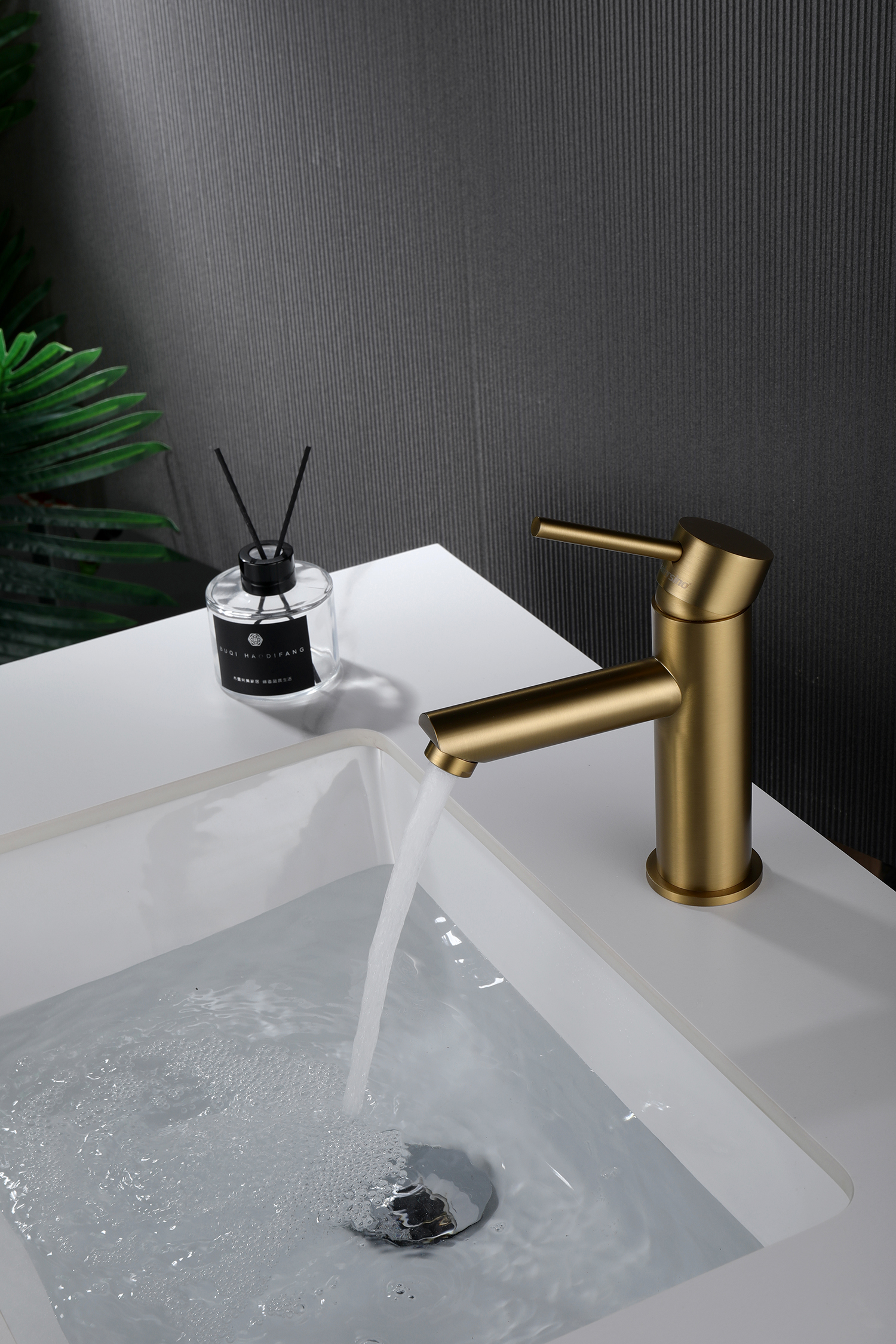
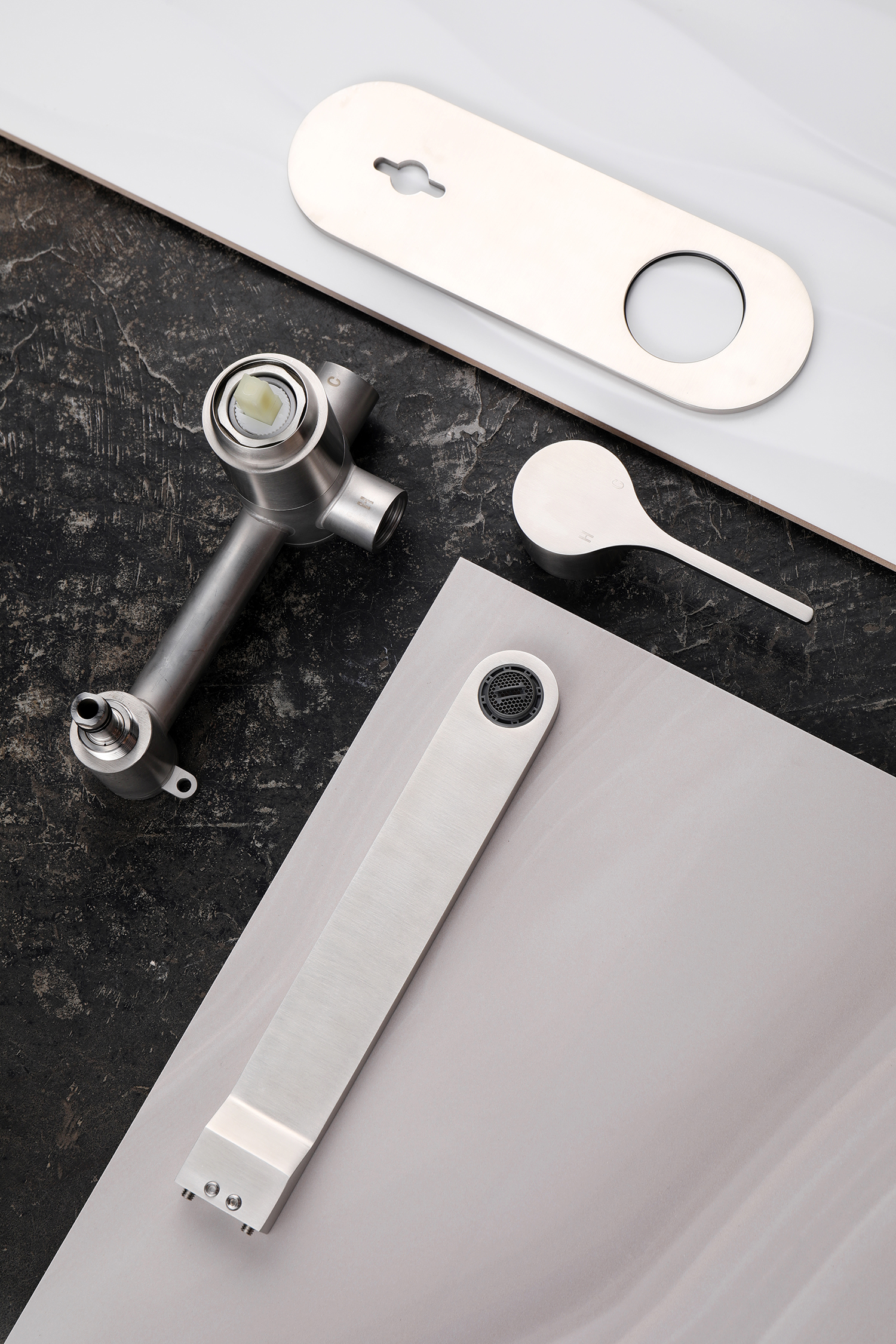
Instead of repeatedly focusing on nickel brushed faucets as a standalone keyword, manufacturers now offer complete brushed nickel bathroom collections that combine durability with contemporary design.
Popular finishes include:
- Chrome
- Brushed nickel
- Matte black
- Brushed brass
- Gunmetal
- PVD decorative finishes
A brushed nickel finish remains one of the most popular choices for hospitality and residential developments because it resists fingerprints, everyday scratches, and surface wear while complementing a wide variety of interior styles.
Manufacturers frequently develop coordinated bathroom collections including:
- Basin mixer tap
- Shower systems
- Bathtub faucets
- Bathroom accessories
- Matching hardware
This approach allows distributors and project developers to maintain consistent design language throughout an entire project.
PVD and Brushed Nickel Corrosion Resistance Standards
Surface durability plays a critical role in product lifespan.
Professional manufacturers evaluate corrosion resistance according to ASTM B117 or ISO 9227 Neutral Salt Spray (NSS) standards.
Typical performance levels include:
| Finish | Typical Salt Spray Performance |
| Chrome | 24–48 hours NSS |
| Standard Brushed Nickel | 96–200 hours NSS |
| Premium PVD Brushed Nickel | 200–500 hours NSS |
Additional quality evaluations include:
- Cross-cut adhesion testing
- Coating adhesion testing
- Abrasion resistance
- Surface gloss inspection
- Color consistency evaluation
These measurable engineering standards provide buyers with objective indicators for comparing finish quality across different suppliers.
Basin Mixer Tap Applications
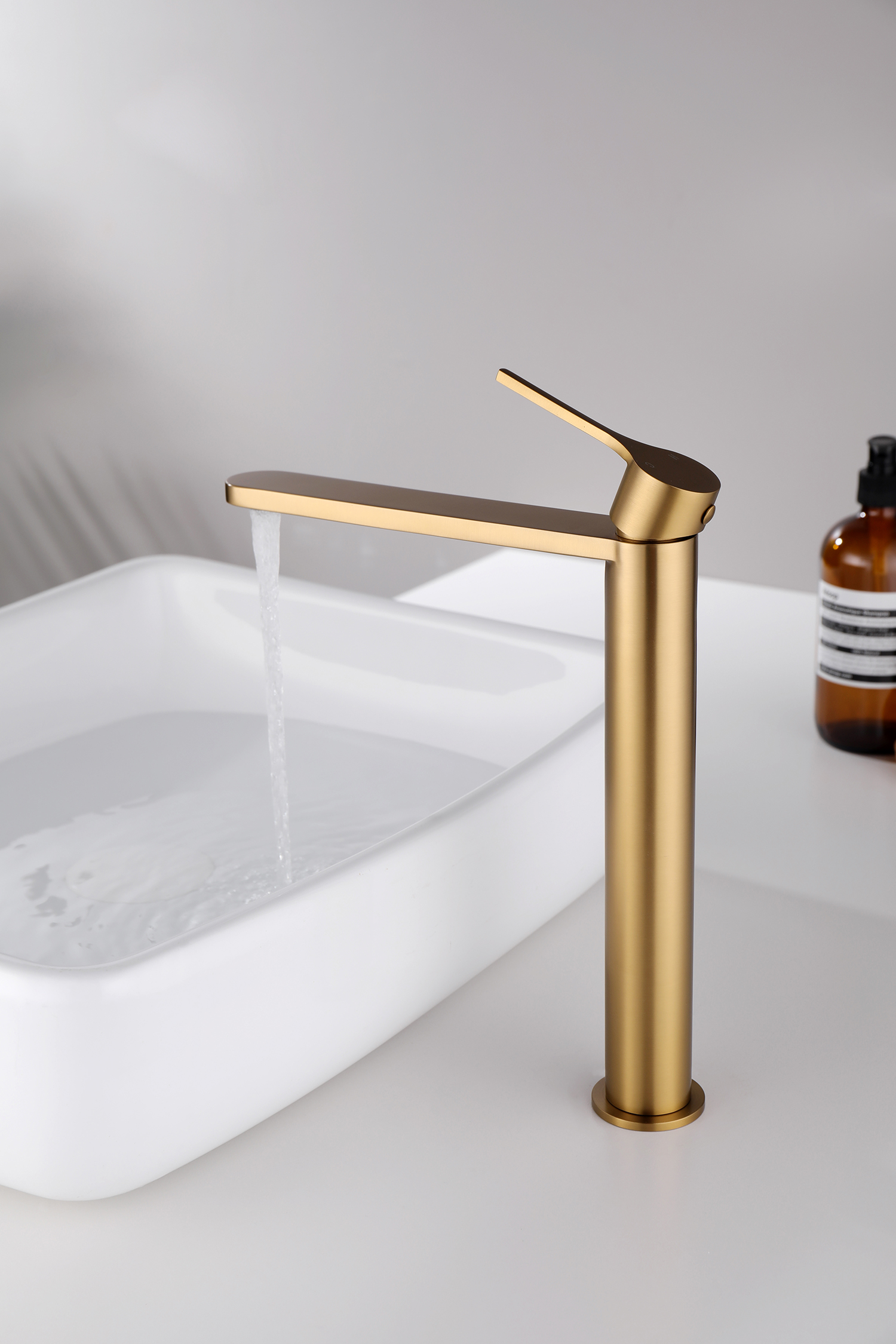
One of the most common applications for water-efficient technology is the basin mixer tap.
Unlike traditional two-handle faucets, a basin mixer tap integrates temperature adjustment and water flow control into one ergonomic operation.
Benefits include:
- Improved user convenience
- Better temperature control
- Reduced water waste
- Simplified installation
- Modern appearance
When combined with advanced aerator technology, basin mixer tap products help hotels, apartments, office buildings, and public facilities achieve sustainability targets while maintaining excellent user experience.
Certification Requirements for Different Markets
International buyers should verify certification requirements before production begins.
Common certifications include:
| Certification | Primary Market |
| WaterSense | United States |
| NSF/ANSI 61 | North America |
| NSF/ANSI 372 | North America |
| WRAS | United Kingdom |
| WaterMark | Australia |
| WELS | Australia & New Zealand |
WaterSense certified faucets continue to experience strong demand because they help projects reduce water consumption while meeting green building objectives.
For Australian projects, WaterMark faucets are commonly specified because WaterMark certification verifies compliance with national plumbing regulations, while WELS measures water efficiency through an official rating system.
Manufacturers exporting worldwide should maintain updated certification documentation for each destination market.
Quality Control Systems in Faucet Manufacturing
Producing a compliant low flow faucet requires a comprehensive quality management system that monitors every stage of production, from raw material procurement to final shipment. Professional manufacturers rely on standardized inspection procedures rather than visual checks alone to ensure every product meets international engineering requirements.
Incoming Material Inspection
Quality control begins before manufacturing starts.
Each batch of materials is inspected for:
- Brass chemical composition
- Ceramic cartridge quality
- Aerator specifications
- Plastic component quality
- Surface coating materials
- Supplier certification documents
Raw materials are verified against approved specifications to ensure consistency throughout production.
In-Process Quality Control
During production, quality engineers monitor critical manufacturing stages, including:
- CNC machining accuracy
- Polishing quality
- Electroplating and PVD coating
- Assembly precision
- Cartridge installation
- Flow regulator installation
Each production stage follows standardized inspection procedures to reduce defects before final assembly.
Performance Testing
Every production batch undergoes functional testing to verify product performance.
Typical tests include:
- Water flow verification
- Flow rate consistency
- Pressure resistance testing
- Leakage testing
- Handle torque testing
- Aerator performance evaluation
- Temperature resistance testing
These inspections help ensure products perform consistently under different installation conditions.
Final Product Inspection
Before shipment, finished faucets undergo comprehensive inspection covering:
- Surface appearance
- Finish consistency
- Leakage performance
- Packaging quality
- Product labeling
- Certification markings
- Accessory completeness
Only products that pass every inspection stage are approved for export.
Engineering Acceptance Standards
Professional engineering projects increasingly require measurable acceptance criteria rather than subjective quality descriptions.
The following indicators are commonly used by project owners, contractors, and procurement teams when evaluating low flow faucet quality.
| Inspection Item | Typical Acceptance Standard |
|---|---|
| Maximum Water Flow | ≤1.5 GPM (5.7 L/min @ 60 psi) |
| Working Pressure | 0.1–0.6 MPa |
| Recommended Pressure | 0.2–0.5 MPa |
| Pressure Resistance | 1.6 MPa |
| Burst Pressure | ≥2.5 MPa |
| Cartridge Life | More than 500,000 operating cycles |
| Salt Spray Test | ASTM B117 / ISO 9227 |
| Leakage Test | No leakage after pressure testing |
| Surface Finish | No blistering, peeling, cracks, or corrosion |
| Quality Inspection | ISO 2859-1 AQL (Critical 0 / Major 1.5 / Minor 2.5) |
These engineering benchmarks provide buyers with objective criteria for supplier comparison and project acceptance.
Adapting Products for Global Markets
International suppliers must support customers with different regulatory requirements, plumbing systems, and installation practices.
Rather than manufacturing separate products for every country, experienced manufacturers often develop flexible product platforms that can be customized according to destination markets.
A single product family may use different:
- Aerators
- Flow regulators
- Ceramic cartridges
- Water connections
- Certification configurations
- Packaging specifications
This modular manufacturing approach improves production efficiency while ensuring compliance with regional regulations.
For distributors and engineering contractors, working with manufacturers familiar with international certification systems helps reduce compliance risks and simplify procurement.
Manufacturing Advantages
Selecting a reliable supplier involves much more than comparing prices. Manufacturing capability, engineering support, and project experience all contribute to long-term project success.
Our manufacturing strengths include:
- OEM and ODM manufacturing services for more than 50 international bathroom hardware brands
- Experience supporting over 80 hotel, apartment, villa, and commercial engineering projects
- Complete product portfolio covering faucets, shower systems, bathroom accessories, and coordinated hardware collections
- Advanced CNC machining, automated polishing, and precision assembly equipment
- International certification support for WaterSense, WRAS, WaterMark, WELS, NSF, and other target-market requirements
- Strict ISO 2859-1 AQL inspection throughout production
- Stable large-scale production capacity with consistent batch quality
- Professional engineering consultation, customized packaging, and global logistics support
These capabilities enable developers, distributors, and contractors to source complete bathroom hardware solutions from a single experienced manufacturing partner.
Project Case: New Zealand Hotel OEM Bathroom Hardware Supply
A successful example of our international project experience is the New Zealand Hotel OEM Bathroom Hardware Supply Project.
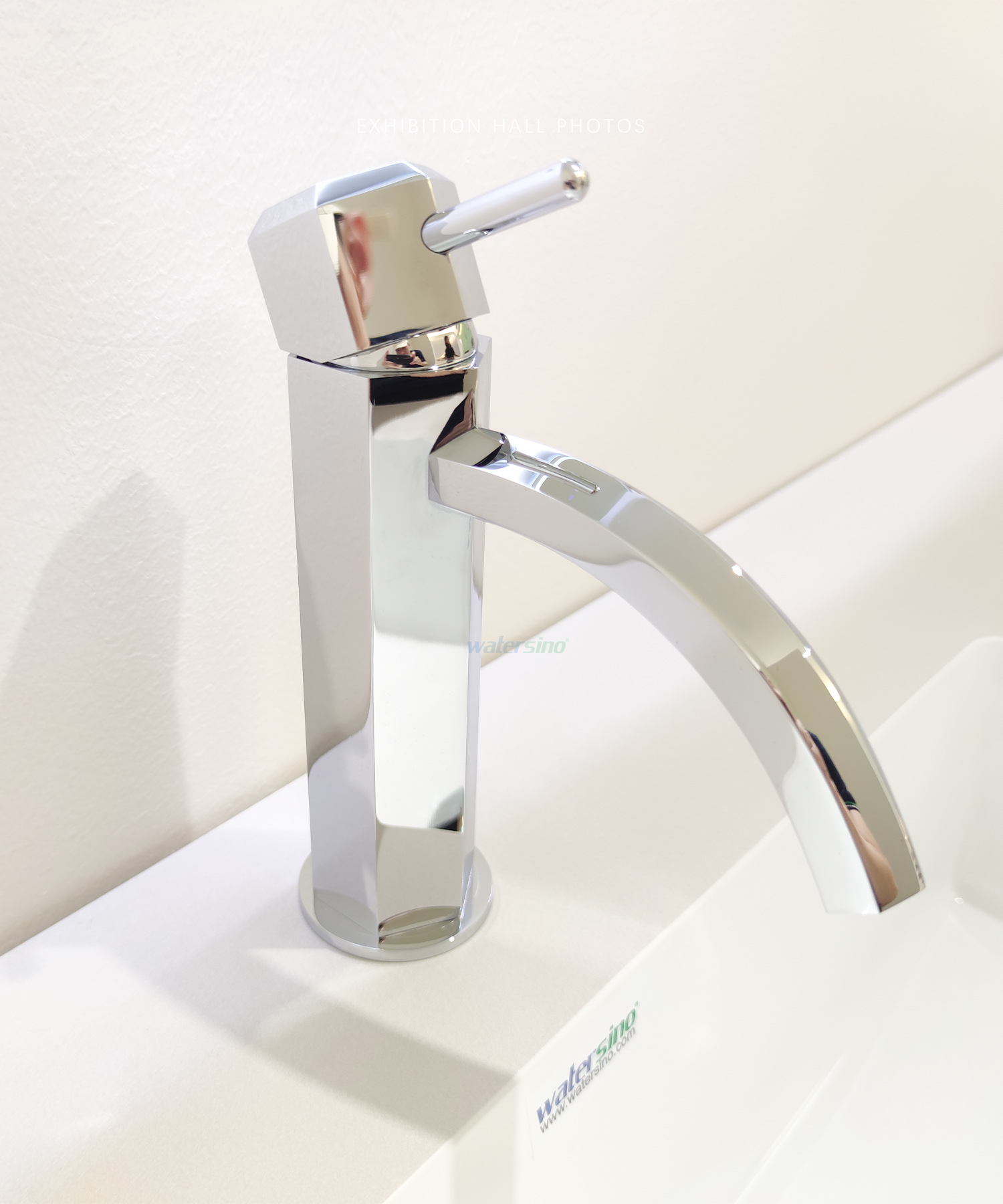
For this hospitality development, our engineering and production teams supplied a complete WaterMark-compliant bathroom hardware package designed specifically for the requirements of the New Zealand market.
The project included:
- Low flow faucet solutions
- Basin mixer tap products
- Shower systems
- Bathroom accessories
- Coordinated brushed nickel bathroom fixtures
- Customized OEM branding and packaging
Because the project required compliance with Australia and New Zealand plumbing regulations, every product was developed to satisfy WaterMark certification requirements while supporting WELS water-efficiency objectives.
Throughout production, each batch underwent comprehensive quality inspections, including:
- Incoming raw material verification
- Water flow testing
- Pressure resistance testing
- PVD and brushed nickel salt spray testing
- Functional cartridge testing
- Surface finish inspection
- Packaging verification
- Final AQL pre-shipment inspection
Strict production management ensured consistent appearance, stable hydraulic performance, and reliable quality throughout the entire hotel project.
This project demonstrates our capability to provide customized OEM bathroom hardware solutions for international hospitality developments while maintaining dependable quality, on-time delivery, and full compliance with regional standards.
Frequently Asked Questions
What makes a low flow faucet different from a standard faucet?
A low flow faucet uses advanced aerators and pressure-compensating flow regulators to reduce water consumption while maintaining comfortable spray performance, stable pressure, and a satisfying user experience.
Are WaterSense certified faucets suitable for commercial projects?
Yes. WaterSense certified faucets are widely used in hotels, office buildings, schools, healthcare facilities, and residential developments because they reduce water consumption while complying with recognized U.S. efficiency standards.
Why are brass bathroom faucets preferred for international projects?
Brass bathroom faucets provide excellent corrosion resistance, structural strength, and long-term durability. They perform reliably under continuous use, making them ideal for hospitality, commercial, and residential applications.
Why is a brushed nickel finish popular?
A brushed nickel finish combines elegant appearance with strong resistance to fingerprints, everyday scratches, and corrosion. Premium PVD brushed nickel finishes also offer significantly improved salt spray performance compared with conventional coatings.
How do manufacturers ensure exported products comply with international regulations?
Professional manufacturers implement strict material traceability, engineering verification, third-party certification, ISO 2859-1 AQL inspections, hydraulic performance testing, and continuous quality control throughout production.
Conclusion
Manufacturing a compliant low flow faucet requires advanced engineering, premium materials, measurable quality standards, and comprehensive quality management.
From optimized hydraulic performance and WaterSense-certified water efficiency to durable brass construction, brushed nickel finishes, and internationally recognized certifications, every component contributes to long-term product reliability.
Whether supplying hospitality projects, residential developments, commercial buildings, or international distributors, experienced manufacturers must balance sustainability, engineering performance, and regulatory compliance to meet global market expectations.
By partnering with manufacturers that combine advanced production capability, international certification support, and extensive project experience, buyers can reduce procurement risks while delivering reliable bathroom solutions for projects around the world.
Table of Contents
- International Standards for Water-Efficient Faucet Production
- Material Safety and Construction Quality
- Engineering Technology Behind Efficient Water Control
- Surface Finishes and Product Design Options
- PVD and Brushed Nickel Corrosion Resistance Standards
- Basin Mixer Tap Applications
- Certification Requirements for Different Markets
- Quality Control Systems in Faucet Manufacturing
- Engineering Acceptance Standards
- Adapting Products for Global Markets
- Manufacturing Advantages
- Project Case: New Zealand Hotel OEM Bathroom Hardware Supply
-
Frequently Asked Questions
- What makes a low flow faucet different from a standard faucet?
- Are WaterSense certified faucets suitable for commercial projects?
- Why are brass bathroom faucets preferred for international projects?
- Why is a brushed nickel finish popular?
- How do manufacturers ensure exported products comply with international regulations?
- Conclusion