 EN
EN

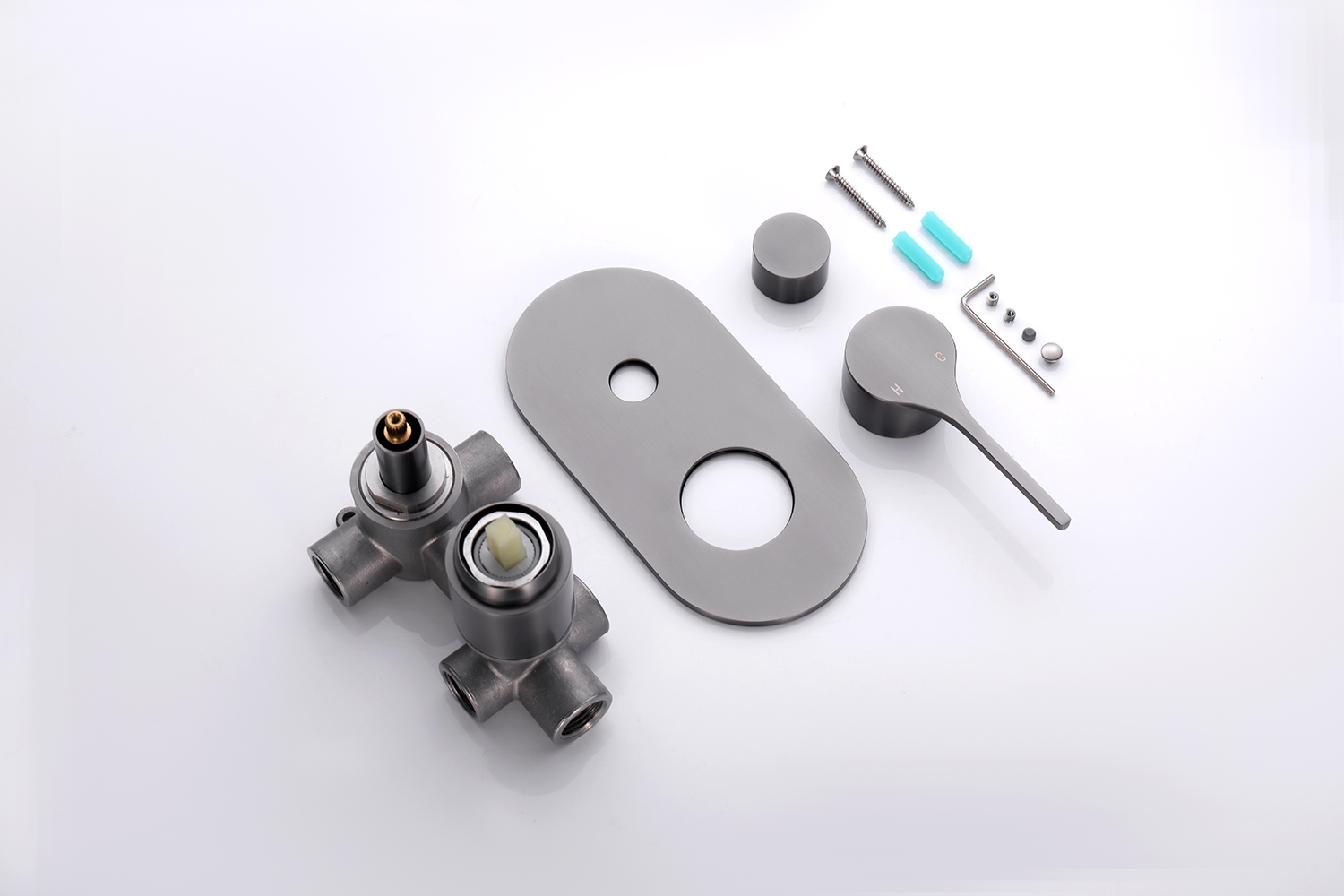
Sourcing bathroom fixtures in large volumes requires a reliable quality inspection process. For hospitality projects, residential developments, commercial buildings, and global distribution businesses, product consistency is essential because even one quality issue in a large shipment can lead to installation delays, customer complaints, warranty claims, and significant replacement costs.
A professional inspection process for bathroom faucets should cover much more than appearance checks. Material quality, dimensional accuracy, surface treatment, functional performance, packaging, certification compliance, and statistical sampling all need to be carefully evaluated before products leave the factory.
This guide explains the key inspection steps buyers should follow when purchasing bathroom faucets in bulk and how to establish an effective quality control workflow to ensure every shipment meets agreed specifications.
Pre-Shipment Inspection Fundamentals
Establishing a Sampling Plan and Reviewing Specifications
Before inspecting a large order, buyers should define a clear sampling plan based on internationally recognized quality control standards. The most widely adopted method is ISO 2859-1 (ANSI/ASQ Z1.4) using an AQL (Acceptable Quality Limit) inspection procedure.
Rather than inspecting every faucet, inspectors randomly select samples according to the production quantity, allowing buyers to evaluate overall product quality efficiently while controlling inspection costs.
Before inspection begins, confirm the following documents:
- Approved production samples
- Technical drawings
- Product specifications
- Material certifications
- Surface finish requirements
- Packaging specifications
- Product testing standards
- Certification documents
Having complete references ensures inspectors evaluate products according to the same quality expectations agreed upon by both buyer and manufacturer.
Packaging and Labeling Inspection
Packaging quality is an essential part of bulk shipment inspection because inadequate protection may cause damage during transportation.
Each faucet should be individually protected against:
- Scratches
- Impact
- Moisture
- Dust
Inspectors should verify:
- Product labels
- Model numbers
- Surface finish descriptions
- Barcode information
- Batch numbers
- Certification markings
- User manuals
- Installation accessories
- Spare parts included
For distributors managing multiple product models, incorrect labeling can create costly warehouse and inventory management problems.
Material and Surface Quality Inspection
Checking Faucet Body Materials
Material verification is one of the most important inspection steps.
Common faucet body materials include:
- Brass
- Stainless steel
- Zinc alloy
Among these, brass remains the preferred material for premium residential and commercial projects because of its corrosion resistance, durability, and long service life.
A quality brass faucet should feature:
- Solid construction
- Consistent product weight
- Smooth casting surfaces
- No visible porosity
- No cracks
- Uniform wall thickness
Inspectors should also confirm that internal water passages and structural components meet the approved engineering drawings.
Evaluating Surface Finishes
Surface finishing directly affects both aesthetics and long-term durability.
Common finishes include:
- Chrome
- Brushed nickel
- Matte black
- Brushed brass
- Gunmetal
- PVD finishes
A brushed brass faucet is increasingly popular in luxury hotels, upscale residential developments, and premium commercial bathrooms because it provides an elegant appearance while offering excellent wear resistance.
During inspection, check for:
- Uneven color
- Surface scratches
- Coating peeling
- Bubbles
- Pinholes
- Poor coating adhesion
- Fingerprint contamination
- Inconsistent gloss level
Color consistency between production batches is especially important for large construction projects.

Dimensional Accuracy and Component Inspection
Bathroom faucets must precisely match approved technical drawings to ensure compatibility during installation.
Inspectors should verify:
- Overall height
- Spout reach
- Spout height
- Mounting hole dimensions
- Thread specifications
- Handle position
- Cartridge compatibility
- Hose length
- Aerator specifications
- Mounting accessories
Incorrect dimensions may result in installation delays, increased labor costs, and customer dissatisfaction.
All components, including cartridges, aerators, ceramic valves, handles, hoses, seals, washers, and mounting hardware, should be checked to ensure completeness and proper compatibility.
Functional Performance Testing
Performance testing is one of the most critical stages of bathroom faucet quality inspection.
Sample products should be tested under normal operating conditions to verify:
- Stable water flow
- Smooth handle operation
- No leakage
- Accurate hot and cold water mixing
- Reliable cartridge performance
- Proper shut-off function
Products such as a single handle shower faucet valve require particular attention because cartridge failure is one of the most common causes of customer complaints.
Likewise, a single knob bathtub faucet should be tested for smooth temperature adjustment, stable water delivery, and reliable pressure resistance.
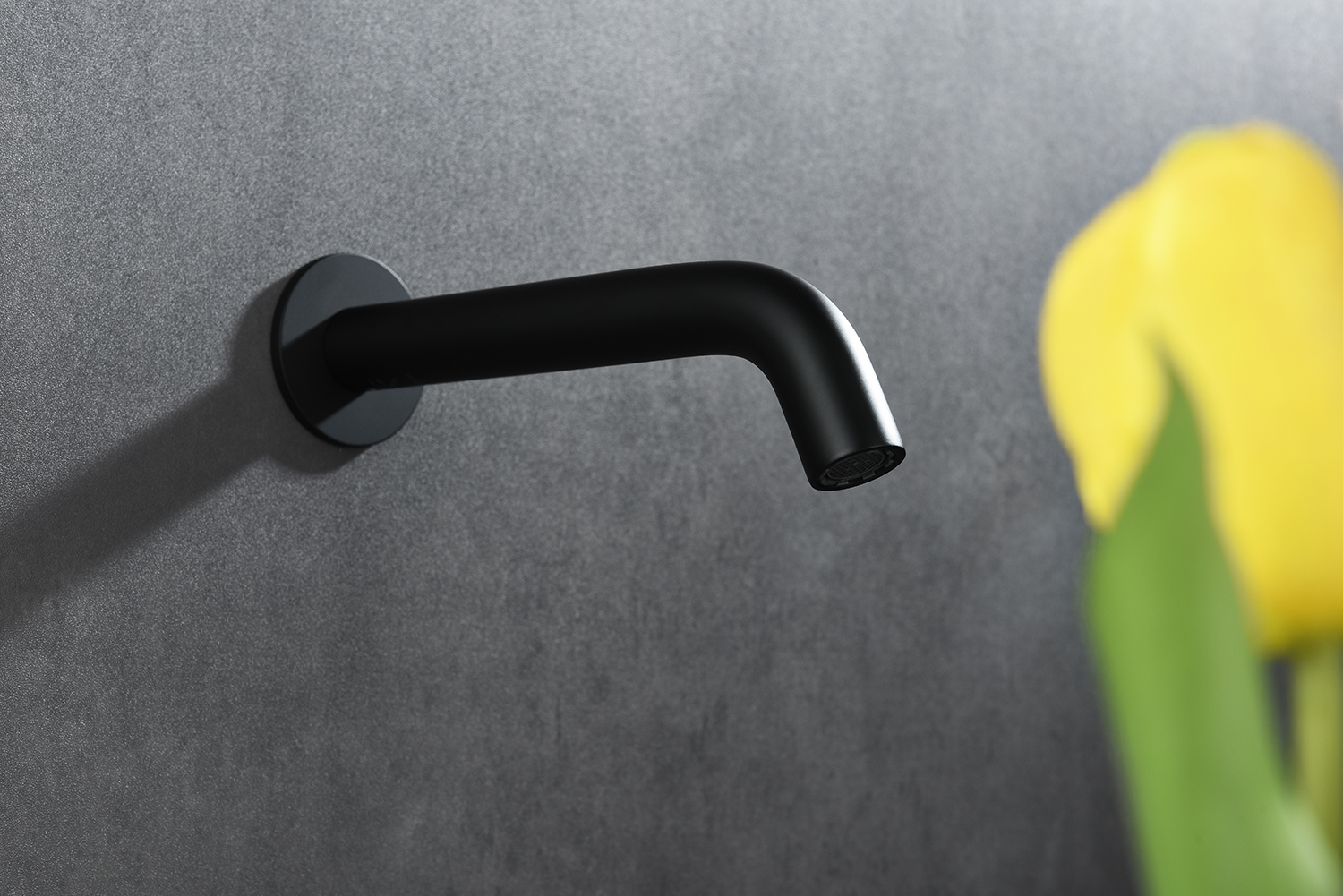
A black single hole bathroom faucet should also receive careful cosmetic inspection because matte black finishes reveal scratches and coating defects more easily than chrome finishes.
Quantitative Quality Inspection Standards
Professional inspections should be based on measurable quality standards instead of visual judgment alone.
Typical AQL Defect Classification
Most bathroom faucet manufacturers and third-party inspection agencies classify defects as follows:
| Defect Type | Typical AQL |
|---|---|
| Critical Defects | 0 |
| Major Defects | 1.5 |
| Minor Defects | 2.5–4.0 |
Critical defects usually include:
- Water leakage
- Unsafe sharp edges
- Incorrect material composition
- Missing critical components
- Safety hazards
Major defects usually include:
- Deep surface scratches
- Incorrect dimensions
- Handle malfunction
- Loose cartridges
- Poor coating adhesion
- Damaged threads
Minor defects usually include:
- Slight color variation
- Small cosmetic blemishes
- Minor packaging defects
- Slight printing misalignment
Typical Sampling Size
Inspection quantities generally follow ISO 2859-1 General Inspection Level II.
| Lot Size | Typical Sample Size |
| 151–280 pcs | 32 pcs |
| 281–500 pcs | 50 pcs |
| 501–1,200 pcs | 80 pcs |
| 1,201–3,200 pcs | 125 pcs |
| 3,201–10,000 pcs | 200 pcs |
This statistical sampling method balances inspection efficiency with quality confidence for large-volume orders.
Typical Functional Test Parameters
Professional bathroom faucet inspections generally include standardized performance testing.
Typical water pressure testing conditions include:
- Working pressure: 0.1–0.6 MPa (1–6 bar)
- Pressure resistance test: 1.6 MPa for 1 minute
- No leakage
- No permanent deformation
- Stable operation after testing
Typical water flow requirements include:
| Market | Typical Flow Rate Requirement |
| United States (EPA WaterSense) | ≤1.5 GPM (5.7 L/min) at 60 psi |
| Europe | Approximately 5–9 L/min |
| Australia (WELS) | According to WELS star rating |
Additional performance tests may include:
- Ceramic cartridge life cycle testing (typically 500,000 cycles or higher)
- Handle torque testing
- Salt spray corrosion testing
- Coating adhesion testing
- Thermal shock testing
- Temperature resistance testing
These measurable quality standards help buyers evaluate product consistency and long-term durability.
Certification and Regional Compliance
Bathroom faucets sold internationally must comply with the certification requirements of their destination markets.
Common certifications include:
| Market | Certifications |
| United States | UPC, cUPC, NSF/ANSI 61, NSF/ANSI 372, EPA WaterSense |
| Canada | cUPC, CSA |
| United Kingdom | WRAS |
| European Union | EN 817, EN 200, ACS, KIWA, DVGW, CE (where applicable) |
| Australia & New Zealand | WaterMark, WELS |
| Singapore | PUB Water Efficiency Labelling Scheme (where applicable) |
| Middle East | SASO or project-specific approvals |
Inspectors should verify:
- Product models match certification records
- Materials comply with lead-content requirements
- Flow rates satisfy local water-efficiency standards
- Product labels display required certification marks
- Certification documents correspond to the production batch
Any inconsistency between certified samples and production products should be treated as a major quality issue.
Selecting Reliable Faucet Suppliers
Although inspection minimizes quality risks, choosing the right manufacturing partner is equally important.
Experienced suppliers generally maintain:
- Stable production processes
- Strict incoming material inspection
- Advanced manufacturing equipment
- Comprehensive quality management systems
- Better process control
- More consistent product quality
When evaluating suppliers, buyers should consider:
- Manufacturing capability
- Production capacity
- Quality management procedures
- Export experience
- Product development capability
- OEM/ODM support
- After-sales service
- Delivery performance
Many international buyers choose to cooperate with the best bathroom faucet manufacturers because experienced manufacturers can provide customized solutions, stable production quality, and reliable quality assurance for long-term cooperation.
Frequently Asked Questions
How many bathroom faucets should be inspected before shipment?
Inspection quantity depends on order volume, inspection level, and required quality standards.
Most buyers adopt ISO 2859-1 (ANSI/ASQ Z1.4) sampling methods, which determine sample size statistically rather than inspecting every product.
For high-value hospitality or commercial projects, buyers often select higher inspection levels.
What is the recommended AQL standard for bathroom faucet inspection?
A commonly adopted inspection standard is:
- Critical Defects: AQL 0
- Major Defects: AQL 1.5
- Minor Defects: AQL 2.5 or 4.0
The final acceptance criteria should always be agreed upon before mass production begins.
What are the most common defects found in bulk faucet orders?
Typical issues include:
- Surface scratches
- Uneven finishes
- Water leakage
- Incorrect dimensions
- Loose cartridges
- Missing accessories
- Packaging damage
- Labeling errors
A professional pre-shipment inspection helps identify these issues before shipment.
Can customized finishes such as brushed brass be inspected before shipment?
Yes.
Customized finishes should always be inspected because color consistency, coating thickness, adhesion, and scratch resistance directly affect product appearance.
Inspectors should compare production products against approved master samples.
Which certifications are required for exporting bathroom faucets?
Certification requirements vary by destination market.
Common certifications include WRAS for the United Kingdom, UPC/cUPC and WaterSense for North America, WaterMark and WELS for Australia, and EN standards for Europe.
Buyers should confirm certification requirements before production begins.
What type of faucet is suitable for modern bathroom projects?
The best choice depends on the project requirements.
Popular options include:
- Single-handle basin faucets
- Single knob bathtub faucets
- Single handle shower faucet valves
- Black single hole bathroom faucets
- Brushed brass faucets
Commercial projects should prioritize durability, easy maintenance, water efficiency, and compliance with local plumbing standards.
Conclusion
A professional quality inspection process is essential when purchasing bathroom faucets in bulk. By evaluating materials, finishes, dimensions, functionality, packaging, certifications, and statistical sampling results, buyers can significantly reduce quality risks and ensure consistent product performance.
Whether sourcing a brushed brass faucet for luxury hospitality projects, a single knob bathtub faucet for residential developments, or a single handle shower faucet valve for commercial installations, applying standardized inspection procedures is the foundation of successful procurement.
Working with experienced manufacturers, following internationally recognized AQL inspection standards, verifying regional certifications such as WRAS, UPC, WaterMark, and WELS, and implementing measurable quality control parameters will help buyers reduce after-sales issues, protect project schedules, and build long-term confidence in every shipment.
Table of Contents
- Pre-Shipment Inspection Fundamentals
- Packaging and Labeling Inspection
- Material and Surface Quality Inspection
- Dimensional Accuracy and Component Inspection
- Functional Performance Testing
- Quantitative Quality Inspection Standards
- Certification and Regional Compliance
- Selecting Reliable Faucet Suppliers
-
Frequently Asked Questions
- How many bathroom faucets should be inspected before shipment?
- What is the recommended AQL standard for bathroom faucet inspection?
- What are the most common defects found in bulk faucet orders?
- Can customized finishes such as brushed brass be inspected before shipment?
- Which certifications are required for exporting bathroom faucets?
- What type of faucet is suitable for modern bathroom projects?
- Conclusion