 EN

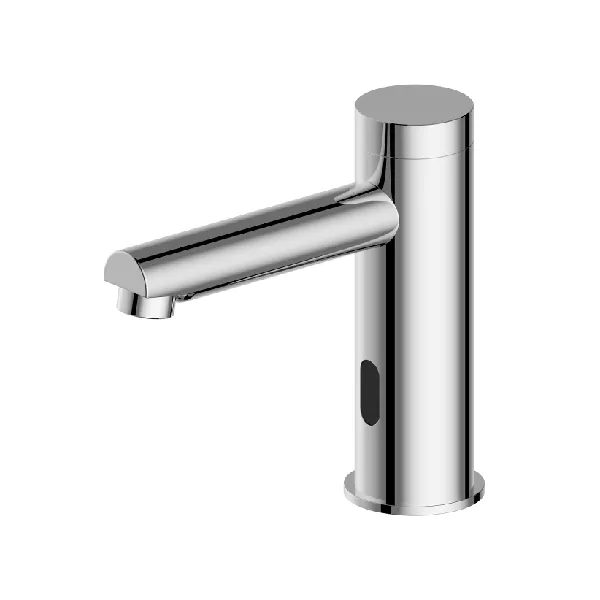
Touchless faucets are increasingly being considered for hotel bathrooms because they reduce the need for direct contact, provide automatic shutoff, and can support more controlled water use. However, the investment case is not simply a matter of replacing a manual tap with an electronic one. For hotel operators, the outcome depends on flow rate, activation behavior, installation conditions, power supply, maintenance requirements, and the cost of the existing system. A hotel bathroom fixture should therefore be evaluated as part of the property's wider water-management and maintenance strategy.
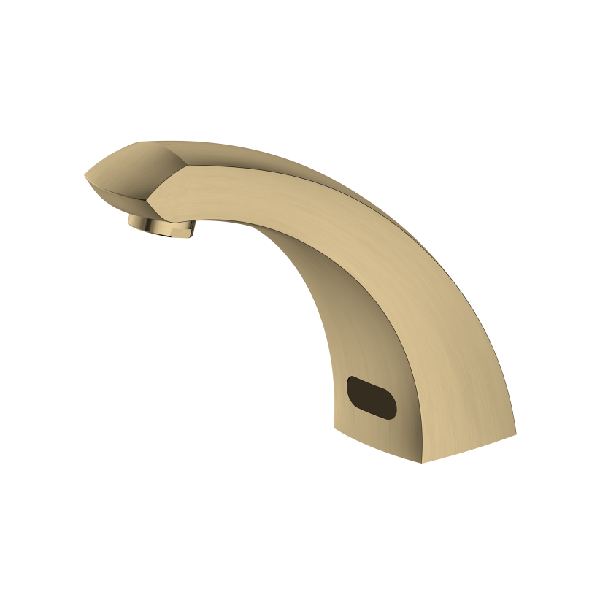
The potential value of touchless operation comes from several separate factors. Automatic shutoff can prevent water from continuing to run when a user steps away, while a correctly specified flow rate limits the volume delivered during each handwashing cycle. At the same time, electronic components introduce maintenance requirements that differ from those of conventional mechanical fixtures. For hotels evaluating water-saving upgrades, a measured pilot is a more reliable basis for investment than a generic percentage of water or cost savings.
How Sensor Faucets Affect Hotel Water Use
Automatic Shutoff Helps Control Run Time
A sensor faucet typically uses infrared detection to identify the presence of a user's hands and activate water flow without requiring physical operation of a handle. Once the hands leave the detection area, the valve closes automatically. This operating method can reduce unnecessary running time during handwashing, particularly in high-traffic facilities where users might otherwise leave a manual tap open while applying soap or drying their hands.
The actual saving depends on the condition and operating efficiency of the existing fixture. Replacing a poorly controlled, high-flow model can produce a meaningful reduction, while replacing an already efficient manual faucet may deliver a smaller financial return. Hotel operators should therefore record baseline flow rates and average operating times before estimating the savings from new hotel water saving fixtures.
WaterSense and Low-Flow Performance
Flow rate is one of the most important variables in a hotel water-use calculation. The U.S. EPA WaterSense bathroom faucet guidance specifies a maximum flow rate of 1.5 gallons per minute (gpm) for WaterSense-labeled private bathroom sink faucets at 60 psi. EPA also identifies 0.5 gpm or less as an efficient level for public lavatory faucets, which are not currently eligible for the WaterSense label.
This distinction matters when selecting low flow faucets for different hotel locations. Guest-room bathrooms and shared public restrooms do not necessarily follow the same water-efficiency criteria. A touchless control system does not automatically qualify a product for WaterSense labeling; the specific faucet must meet the applicable requirements and obtain the required certification. Procurement teams should verify the rated flow, intended application, and certification status before specifying a model.
Building a Realistic Hotel Faucet ROI Model
Separate Fixture Cost From Installation Cost
The initial investment should be based on the complete installed system rather than the faucet purchase price alone. Depending on the model, a project may require a sensor assembly, solenoid valve, control module, power supply, batteries, mixing valve, or changes to existing water connections. Labor costs can also vary between a straightforward replacement and a retrofit that requires modifications beneath the countertop.
A fixed claim that touchless models cost 30% to 50% more than conventional faucets is too broad to use as a universal industry benchmark. The U.S. Department of Energy's Federal Energy Management Program historically estimated installed costs for low-flow sensor-operated faucets at approximately $100 to $1,300 per fixture, with an average installed price of about $330. These figures come from an older federal technology assessment and should not be presented as current hotel procurement prices. They demonstrate why project teams should compare current quotations for the complete installed system rather than apply a fixed percentage premium.
For a hotel project, compare the proposed touchless bathroom faucet with the existing alternative, including product price, installation labor, electrical requirements, commissioning, and any necessary changes to the plumbing layout. This provides a more defensible estimate of the initial capital expenditure.
Calculate Water Savings From Measured Use
A practical water-saving calculation can start with four variables: flow rate, daily operating time, number of users, and operating days. EPA's WaterSense at Work methodology uses these variables to estimate annual faucet water consumption. Hotels can apply the same approach to guest-room or public-restroom data and compare the existing fixtures with the proposed models.
For example, reducing flow from 2.2 gpm to 1.5 gpm represents a 31.8% reduction in flow rate while water is running. This does not automatically translate into a 31.8% reduction in total facility water use, because actual consumption also depends on activation duration and usage frequency. A reliable ROI model should calculate these factors separately instead of assuming a uniform savings percentage for every installation.
Include Hot-Water and Sewer Costs
Water savings can also affect energy costs when a faucet supplies tempered or hot water. Reducing unnecessary flow can decrease the volume of water that must be heated, although the actual energy impact depends on incoming water temperature, the hot-water setpoint, mixing conditions, and the property's water-heating system.
The financial model should therefore distinguish among water and sewer charges, hot-water energy costs, fixture maintenance, and installation expenses. This gives hotel operators a clearer picture of the potential payback period than treating every avoided gallon as having the same financial value.
Touchless Faucet Pros and Cons for Hotel Operators
Electronic Components Add Maintenance Requirements
Electronic operation changes the maintenance profile rather than eliminating maintenance. Battery-powered installations require scheduled battery replacement, while hardwired models depend on reliable electrical connections and suitable power supplies. Sensors, solenoid valves, control boards, and other components may also need servicing or replacement during the fixture's working life.
Hotel engineering teams should plan for replacement sensors, solenoid components, batteries, aerators, and other service parts according to the manufacturer's recommendations. Staff should also understand how to distinguish a sensor fault from a water-supply, power, or valve problem before deciding whether a component or the entire fixture needs replacement. Standardizing compatible models across a property can simplify service procedures and inventory management.
Water Quality Can Affect Long-Term Performance
Hard water and mineral deposits can affect both manual and electronic faucets. Scale may accumulate around aerators and water passages, restricting flow and changing fixture performance. Regular inspection and cleaning are therefore important, particularly in locations where water hardness is high.
Before approving a specification, hotel procurement teams should review recommended cleaning procedures, compatible descaling products, filtration requirements where applicable, and access to replacement components. These considerations can have a substantial influence on lifecycle costs and should be included when evaluating the touchless faucet pros and cons for a particular property.
Guest Experience and Installation Risks
Sensor Positioning Must Match Basin Geometry
A reliable electronic fixture depends on the sensing zone working correctly with the basin and surrounding surfaces. Counter depth, backsplash position, basin shape, mirror placement, and hand position can all affect the installation. A sensor that activates too slowly may be perceived as defective, while excessive sensitivity can cause unintended operation.
Before a full rollout, test the selected model across representative basin configurations. Confirm activation distance, response time, water temperature control, flow stability, and shutoff behavior under actual site conditions. Watersino's basin tap sensor technology information describes infrared detection and battery-operated or hardwired power options. These details should be evaluated against the intended vanity configuration rather than assessed from a product image alone.
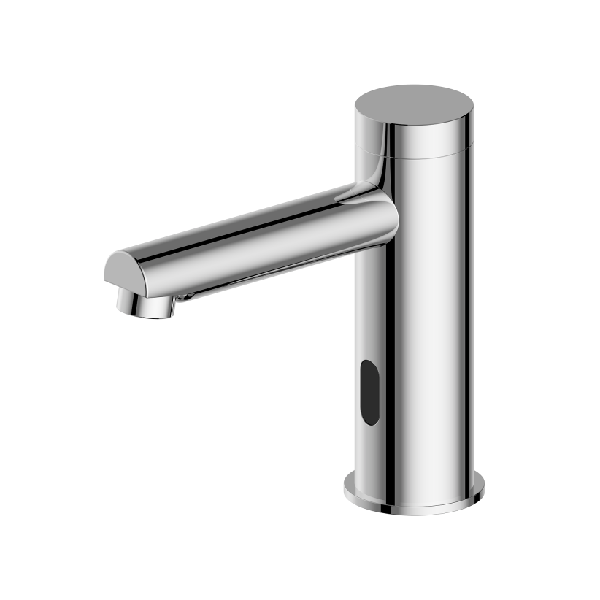
Temperature Control and User Familiarity Matter
Touchless activation does not automatically solve temperature-control issues. Where a hotel requires tempered water, the system still needs an appropriate mixing arrangement and a defined maximum outlet temperature. If guests cannot understand the temperature setting or obtain the expected water temperature, the convenience of hands-free activation will not compensate for a poor user experience.
A touch faucet and a touchless faucet should also be distinguished during product selection. A touch faucet responds to physical contact, whereas a touchless model activates through a detection system without requiring contact. Procurement teams should confirm the operating method and user controls before comparing products, particularly when specifications use these terms interchangeably.
How Hotels Should Approach a Touchless Faucet Rollout
Run a Pilot Before Full-Property Installation
A pilot installation can establish the property's baseline for activation frequency, flow rate, water consumption, maintenance calls, battery usage, and guest feedback. One representative floor or a selected group of public restrooms can help identify practical issues before the same configuration is repeated throughout the property.
The Federal Energy Management Program documented a restroom retrofit at the Denver Federal Center where monitored water consumption decreased by approximately 50% in three men's restrooms and 35% in one women's restroom after several water-efficient fixtures, including sensor-operated lavatory faucets, were installed. Because multiple fixture technologies were introduced together, these figures should not be attributed to the faucets alone. The case nevertheless illustrates the value of measuring water use before and after a retrofit rather than assuming that a specific saving will apply to every hotel.
Standardize the Service Strategy
Once a pilot confirms the technical configuration, hotel operators should standardize service procedures where possible. Maintenance staff should have clear instructions for sensor cleaning, battery replacement where applicable, aerator inspection, valve servicing, and fault diagnosis. Standardizing compatible models and spare parts can reduce training requirements and simplify inventory management across multiple room types.
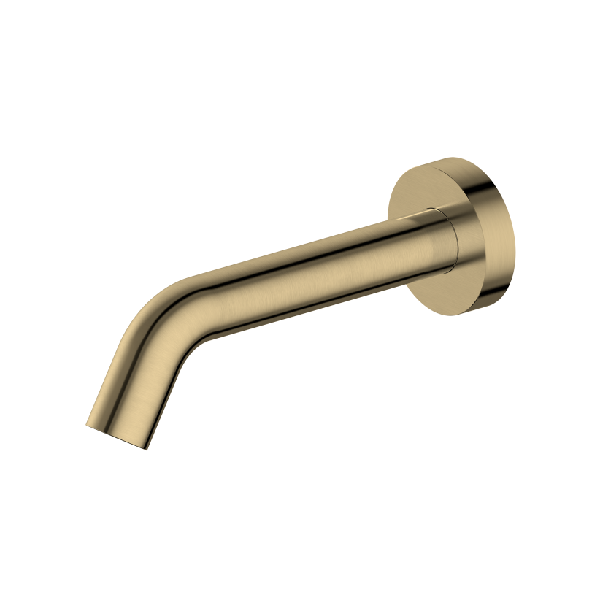
Evaluate the Complete Bathroom Package
A sensor-controlled basin fixture should be evaluated alongside the rest of the bathroom specification. Flow rate, water pressure, temperature control, basin geometry, shower performance, and finish consistency all contribute to the guest experience. The most cost-effective option is not necessarily the fixture with the lowest purchase price, but the one that provides an appropriate balance of water use, reliability, installation requirements, and lifecycle support.
Before approving an order, hotel procurement teams should document the target flow rate, activation method, power source, temperature-control arrangement, installation type, spare-parts strategy, warranty, and required certifications. This provides contractors and hotel engineering teams with a clear technical reference throughout installation and future maintenance.
FAQ
Do touchless faucets automatically save water?
No. Automatic shutoff can reduce unnecessary running time, but total savings depend on flow rate, activation duration, user behavior, and the performance of the existing fixture. Measuring baseline usage and conducting a pilot provide a more reliable estimate of potential savings for a specific hotel.
Is 0.5 gpm the WaterSense limit for hotel bathroom faucets?
Not for every hotel bathroom. EPA's WaterSense specification allows up to 1.5 gpm at 60 psi for qualifying private bathroom sink faucets. EPA identifies 0.5 gpm or less as an efficient level for public lavatory faucets, but these public-use fixtures are not currently covered by the WaterSense labeling specification. The appropriate flow target depends on the bathroom type and applicable requirements.
Are touchless faucets always 30% to 50% more expensive than manual faucets?
No. There is no universal percentage that applies to every touchless faucet project. Costs vary with sensor technology, materials, power supply, installation conditions, order quantity, and accessories. Historical federal data show a broad range of installed costs, so hotel buyers should compare current installed quotations rather than rely on a fixed premium.
How can hotels determine whether a touchless bathroom faucet is worth the investment?
Start with measured data from the existing installation. Record flow rate, daily usage, operating time, water and sewer charges, maintenance events, and installation costs. Compare these figures with the proposed fixture and run a pilot before committing to a property-wide rollout. This creates a project-specific ROI estimate and helps procurement teams justify the decision using operational evidence.