 EN
EN

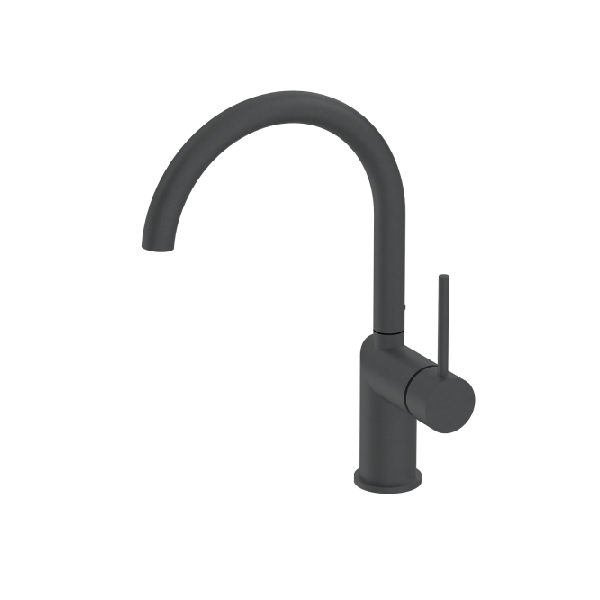
Production quality is one of the most critical factors that separates reliable kitchen faucet manufacturers from those who struggle with returns, complaints, and damaged brand reputations. When buyers source faucets at scale, they are not simply purchasing a physical product — they are trusting a manufacturer's entire quality control system. Understanding how kitchen faucet manufacturers build and enforce that system helps buyers make smarter sourcing decisions and reduces costly risks down the supply chain.
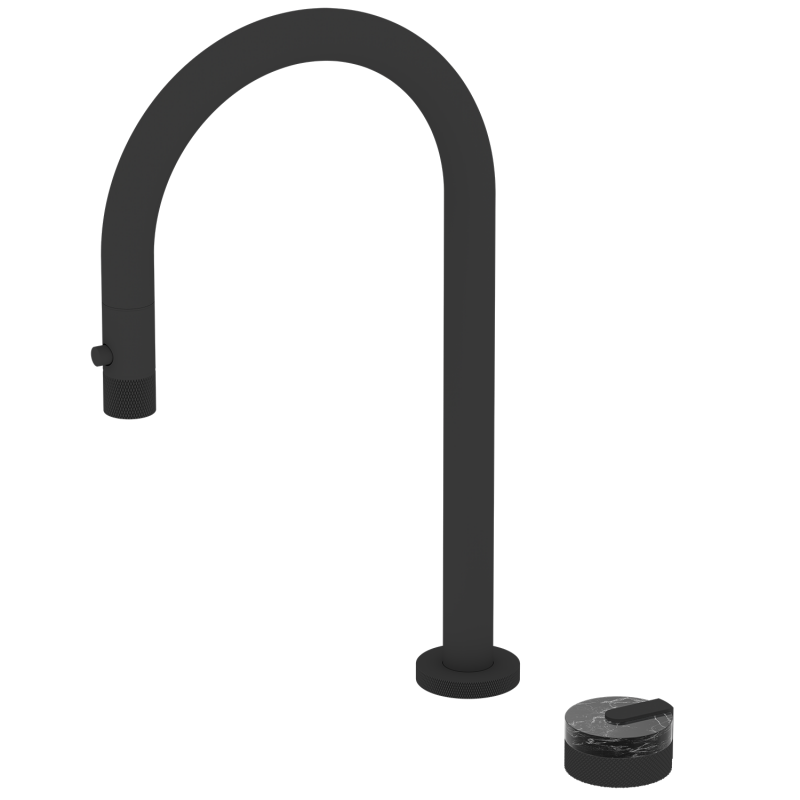
Quality control in faucet production is not a single checkpoint — it is a structured, multi-stage discipline that kitchen faucet manufacturers apply from raw material sourcing through to final shipment. Each stage in the process carries specific standards, inspection protocols, and corrective procedures. The most capable kitchen faucet manufacturers treat quality as a system rather than a last-minute inspection, and that difference shows clearly in the consistency and durability of the products they deliver.
Material Selection and Incoming Quality Control
How Kitchen Faucet Manufacturers Evaluate Raw Materials
Before any production begins, kitchen faucet manufacturers conduct rigorous incoming quality control on raw materials. Brass is the dominant body material used by kitchen faucet manufacturers because of its corrosion resistance, machinability, and long service life. Incoming brass billets and rods are tested for composition, hardness, and surface integrity before they enter the production floor. Kitchen faucet manufacturers who skip this step risk producing faucets with internal voids, inconsistent wall thickness, or material defects that only become visible after installation.
Beyond brass, kitchen faucet manufacturers also evaluate the quality of ceramic disc cartridges, O-rings, seals, and surface finishing chemicals. Each of these components contributes directly to long-term performance. Reputable kitchen faucet manufacturers maintain approved supplier lists and require material certifications for every batch. This upstream discipline is what allows kitchen faucet manufacturers to guarantee consistent performance across large production runs and OEM orders.
Casting and Machining Standards Applied by Kitchen Faucet Manufacturers
Once materials are approved, kitchen faucet manufacturers move into the casting phase, where molten brass is shaped into faucet bodies using gravity casting or die casting methods. Kitchen faucet manufacturers who use gravity casting often achieve denser, more uniform parts with fewer internal air pockets. After casting, kitchen faucet manufacturers put each body through CNC machining to achieve precise thread dimensions, port alignments, and surface tolerances. These tight tolerances are essential because even small dimensional deviations can cause leaks, misalignments, or cartridge failure in the field.
In-Process Inspection and Assembly Controls
Stage-by-Stage Inspection Protocols
Experienced kitchen faucet manufacturers do not rely solely on final inspection to catch defects. Instead, they apply in-process quality checks at every major production stage. After casting, kitchen faucet manufacturers perform visual and dimensional inspections to identify cracking, porosity, or out-of-spec dimensions. After surface finishing — whether chrome plating, brushed nickel, or PVD coating — kitchen faucet manufacturers check adhesion strength, coating thickness, and color consistency against defined standards. These mid-process inspections allow kitchen faucet manufacturers to catch and correct issues before they accumulate into larger defect batches.
Assembly is another critical control point for kitchen faucet manufacturers. Trained assembly technicians follow standardized procedures for cartridge installation, handle alignment, and hose connection torque. Kitchen faucet manufacturers that invest in assembly jigs and torque-controlled tools reduce the risk of human error and ensure that every unit meets the same mechanical specification. This level of procedural control is what enables kitchen faucet manufacturers to scale production without sacrificing consistency.
Pressure Testing and Leak Verification
One of the most important functional tests performed by kitchen faucet manufacturers is pressure testing. After assembly, kitchen faucet manufacturers subject each faucet to water pressure testing to confirm there are no leaks at joints, cartridge interfaces, or hose connections. Most professional kitchen faucet manufacturers test at pressures that exceed normal household water supply levels to simulate stress conditions. Units that fail are removed from the production line, analyzed, and either repaired or scrapped. Kitchen faucet manufacturers who conduct 100% pressure testing rather than statistical sampling provide a higher assurance of outgoing quality, which is particularly important for OEM and private-label orders where field returns can damage buyer brand equity.
Final Inspection, Certification, and Outgoing Quality Assurance
Final Quality Gates Used by Kitchen Faucet Manufacturers
Before products leave the facility, kitchen faucet manufacturers conduct a final quality audit that covers appearance, function, packaging, and labeling. Appearance checks confirm that surface finishes are uniform, free from pits, discoloration, or scratches. Functional checks verify handle movement, spray mode switching on pull-out models, and flow rate. Kitchen faucet manufacturers who produce pull-out or pull-down models also test the hose retraction mechanism under repeated cycles to ensure durability. Packaging inspections confirm that each unit is protected against transit damage and that labeling matches the buyer's specifications.
International certifications are another dimension of quality assurance that serious kitchen faucet manufacturers pursue. Certifications such as cUPC, NSF, WRAS, and CE signal that kitchen faucet manufacturers have met independent performance and safety benchmarks. These certifications are not merely marketing badges — they reflect that kitchen faucet manufacturers have designed and built products to standards that protect end users and satisfy regulatory requirements in target export markets.
Continuous Improvement Practices Among Kitchen Faucet Manufacturers
Leading kitchen faucet manufacturers do not treat quality control as a static checklist. They use defect data, customer feedback, and internal audit results to drive continuous improvement. Kitchen faucet manufacturers track defect rates by product type, production batch, and supplier to identify recurring issues. When a pattern emerges, kitchen faucet manufacturers initiate root cause analysis and implement corrective actions — whether that means adjusting tooling, retraining assembly staff, or changing a component supplier. This continuous improvement culture is what distinguishes kitchen faucet manufacturers who sustain high performance over time from those who deliver inconsistently.
FAQ
What quality certifications should kitchen faucet manufacturers hold?
Reputable kitchen faucet manufacturers should hold certifications relevant to their target markets, such as cUPC or NSF for North America, WRAS for the UK, and CE or REACH compliance for Europe. These certifications confirm that kitchen faucet manufacturers have tested their products against recognized safety and performance standards.
How do kitchen faucet manufacturers handle OEM quality requirements?
Kitchen faucet manufacturers that specialize in OEM production typically work with buyers to define product specifications, approved materials, and inspection criteria before production starts. These kitchen faucet manufacturers use pre-production samples, first article inspections, and ongoing in-line audits to ensure every OEM order meets the agreed standard throughout the production run.
Why does material choice matter to kitchen faucet manufacturers?
Material choice directly affects the durability, safety, and compliance of the finished product. Kitchen faucet manufacturers who use certified lead-free brass and high-grade ceramic cartridges produce faucets that last longer, resist corrosion, and meet drinking water safety regulations. Kitchen faucet manufacturers who cut corners on materials often face higher field failure rates and customer complaints over time.