 EN
EN

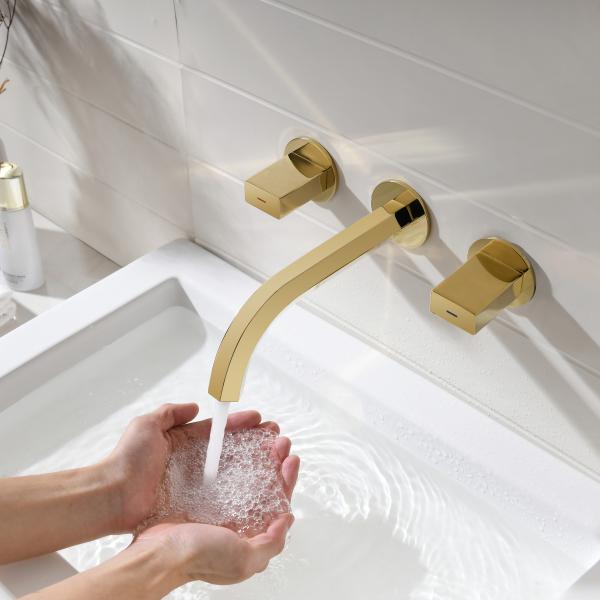
Choosing the right basin mixer tap factory is one of the most consequential decisions a buyer, developer, or procurement team can make. A basin mixer tap factory does not simply assemble faucets — it defines the quality, durability, and performance of every product that leaves its production floor. Whether you are sourcing for a hotel group, a residential development, or a retail distribution chain, the basin mixer tap factory you select directly shapes your brand reputation and customer satisfaction.
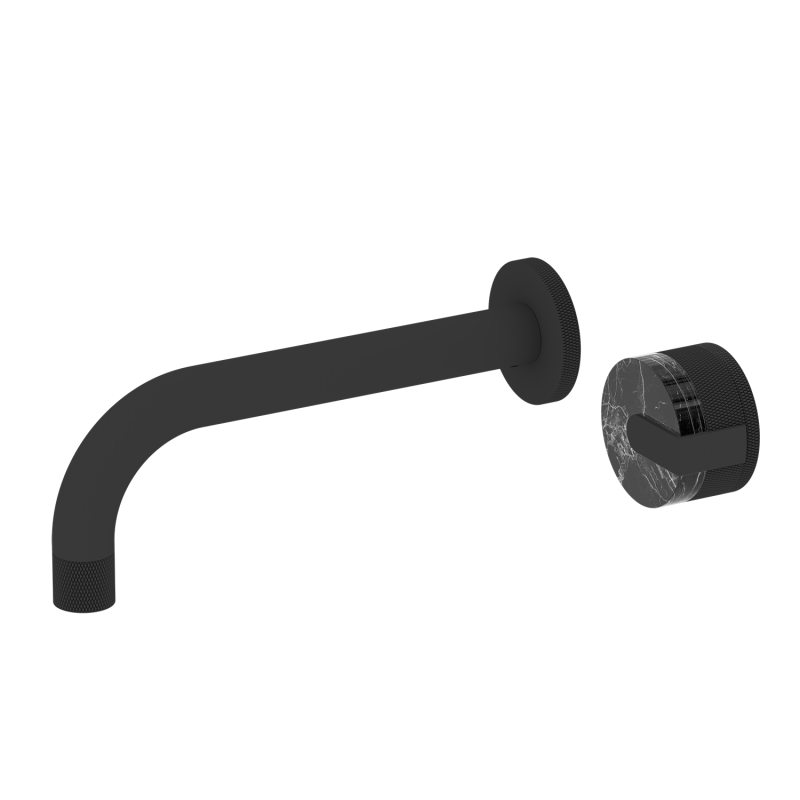
Yet not every basin mixer tap factory operates at the same standard. The market includes a wide range of facilities — from highly capable, certified manufacturers to low-investment assembly operations that prioritize volume over consistency. Understanding what truly separates a reliable basin mixer tap factory from an unreliable one requires examining multiple dimensions of factory capability, from raw material sourcing to final inspection protocols. This article outlines the key factors that define a trustworthy basin mixer tap factory and guides buyers in making informed sourcing decisions.
Production Standards at a Basin Mixer Tap Factory
Material Quality and Alloy Composition
The foundation of any reliable basin mixer tap factory lies in the quality of materials used. Brass remains the dominant material for faucet bodies at a serious basin mixer tap factory because of its corrosion resistance, machinability, and long service life. A credible basin mixer tap factory will specify the brass grade used in its castings, typically H59 or H62 brass, and will be transparent about lead content compliance with standards such as NSF 61 or EN 15688. Low-cost alternatives from an inferior basin mixer tap factory often use recycled alloys with inconsistent composition, which leads to premature failure and surface deterioration. Evaluating material transparency is the first signal of whether a basin mixer tap factory takes quality seriously.
Casting and Machining Precision
A professionally equipped basin mixer tap factory invests in precision casting and CNC machining to ensure dimensional consistency across every batch. Gravity casting and low-pressure die casting are the standard methods at a dependable basin mixer tap factory, producing dense, void-free faucet bodies with consistent wall thickness. After casting, a capable basin mixer tap factory uses CNC centers to machine threaded inlets, valve seats, and mounting interfaces to tight tolerances. This level of precision at a basin mixer tap factory minimizes assembly rejection rates and ensures that all cartridge and aerator components fit correctly without leakage risk. Poor dimensional control at a basin mixer tap factory is a primary cause of field failures and warranty claims.
Quality Control Systems Within a Basin Mixer Tap Factory
In-Process and Final Inspection
A reliable basin mixer tap factory implements structured quality control at every production stage, not just at the end of the line. In-process inspection at a professional basin mixer tap factory includes dimensional checks after casting, surface roughness verification after machining, and coating adhesion tests after electroplating. At the final inspection stage, a thorough basin mixer tap factory conducts pressure testing, flow rate measurement, handle torque assessment, and surface finish grading before any product is cleared for packaging. A basin mixer tap factory that relies only on visual end-of-line checks lacks the systematic rigor needed to catch subsurface defects or coating inconsistencies. Buyers should request documented quality control procedures when evaluating any basin mixer tap factory.
Certifications and Compliance at a Basin Mixer Tap Factory
Certifications are a measurable indicator of a basin mixer tap factory's commitment to recognized standards. A credible basin mixer tap factory will hold ISO 9001 certification for quality management systems, and may carry additional product certifications such as WRAS approval for the UK market or cUPC certification for North America. These credentials confirm that a basin mixer tap factory has been independently audited against internationally accepted benchmarks. A basin mixer tap factory without any certification may still produce acceptable products, but the absence of third-party validation introduces procurement risk that is difficult to justify for large-volume or specification-grade projects. Always verify that certifications from a basin mixer tap factory are current and issued by accredited bodies.
Customization and Development Capability
OEM and Design Flexibility
A forward-looking basin mixer tap factory offers genuine OEM capability, meaning it can develop products to a buyer's specifications rather than only selling fixed catalogue items. A basin mixer tap factory with an in-house design and development team can modify spout lengths, handle styles, finish options, and cartridge types to meet project requirements. This flexibility is especially important when a basin mixer tap factory serves hospitality, specification, or private-label markets where product differentiation matters. An agile basin mixer tap factory will provide rapid prototyping, dimensional drawings, and material data sheets as part of its development process, reducing time to market for custom projects. Evaluating the development workflow of a basin mixer tap factory reveals whether it is a true manufacturing partner or simply a catalogue reseller.
Finish Range and Surface Consistency
The surface finish capability of a basin mixer tap factory is a visible indicator of overall production quality. A well-invested basin mixer tap factory operates controlled electroplating lines that produce consistent chrome, brushed nickel, matte black, and PVD finishes across full production runs. Inconsistent colour tone or patchy adhesion from a basin mixer tap factory indicates poor process control in the plating department. A reliable basin mixer tap factory subjects finished surfaces to salt spray testing and adhesion cross-cut testing to validate durability before shipment. Buyers specifying multiple finish options should confirm that a basin mixer tap factory can maintain finish uniformity across different batches and production dates.
FAQ
What certifications should a reliable basin mixer tap factory hold?
A reliable basin mixer tap factory should hold at least ISO 9001 certification. Depending on target markets, a basin mixer tap factory may also carry WRAS, cUPC, or CE certifications. These credentials confirm that the basin mixer tap factory has been audited against recognized quality and safety standards.
How can I verify the material quality of a basin mixer tap factory?
Request material test reports and composition certificates directly from the basin mixer tap factory. A transparent basin mixer tap factory will provide brass grade specifications and lead content test results. Third-party lab testing of sample products is another reliable way to validate material claims from a basin mixer tap factory.
Does a basin mixer tap factory need to offer OEM services to be considered reliable?
OEM capability is not a strict requirement for reliability, but it is a strong indicator of a basin mixer tap factory's technical depth. A basin mixer tap factory that can support custom development typically has stronger engineering, tooling, and quality infrastructure than one offering only standard catalogue products. For specification projects, OEM-capable sourcing from a basin mixer tap factory is a significant advantage.