 EN
EN

When planning a bathroom renovation or new build, the choice between a square floor drain and a linear drain is one that significantly affects both functionality and aesthetics. A square floor drain offers a symmetrical, center-focused drainage solution that has been trusted in residential and commercial settings for decades. Understanding the differences between these two drain formats helps designers, contractors, and homeowners make smarter, longer-lasting decisions for their spaces.
A square floor drain and a linear drain each serve the same core function — removing water efficiently from a wet area — but they differ dramatically in placement, tile compatibility, water flow direction, and visual impact. This expert analysis breaks down every major factor so you can confidently select the right drain type for your specific project. Whether you are outfitting a sleek modern bathroom or a high-traffic commercial shower, the square floor drain deserves careful consideration alongside its linear counterpart.
Design and Aesthetic Differences
The Visual Footprint of Each Drain Type
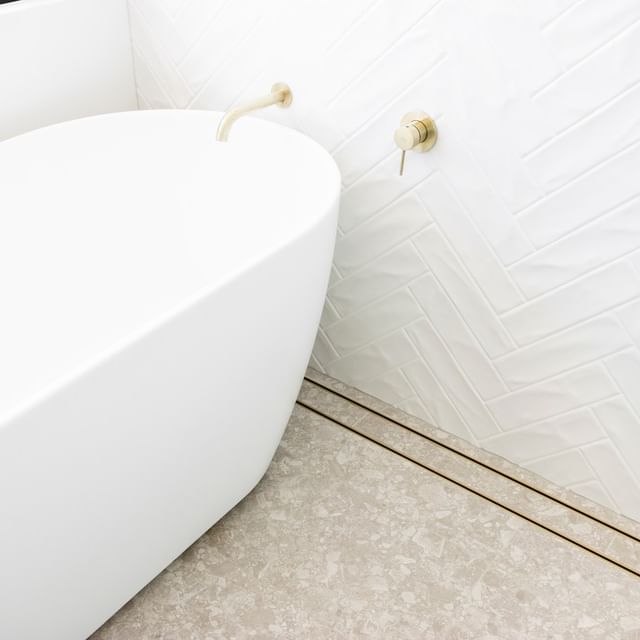
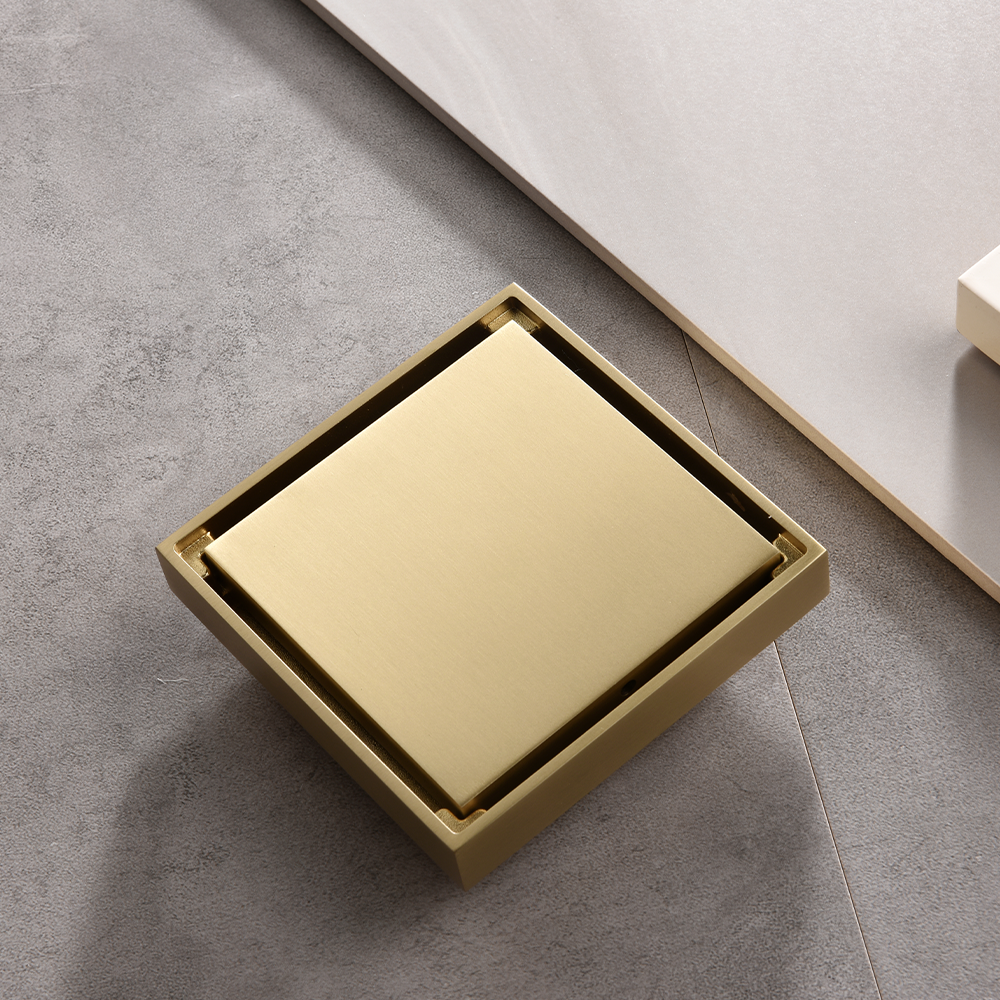
A square floor drain typically presents a compact, symmetrical grate that sits flush at the center of the shower or bathroom floor. Its equal-sided geometry gives it a balanced appearance that complements both contemporary and traditional tile layouts. A linear drain, by contrast, runs in a long channel — usually positioned along one wall — creating a horizontal visual line that works best with large-format tiles or fully tiled wet rooms. The square floor drain integrates more discreetly into most tile grids, especially when paired with smaller mosaic or standard square tiles, because the square floor drain grate aligns naturally with the tile pattern around it.
Linear drains make a bolder design statement and are often chosen specifically for their elongated, minimalist look. If your project prioritizes a seamless, contemporary appearance with large stone slabs, a linear drain may suit the tile layout better. However, a square floor drain remains the more versatile option across a wider range of tile sizes and floor configurations, making it the practical default for most standard bathroom and shower builds.
Material and Finish Options
Both drain types are commonly produced in 304 stainless steel, which offers strong corrosion resistance and a clean, polished surface. A square floor drain in 304 stainless steel is especially well suited to wet bathroom environments where long-term exposure to moisture and cleaning chemicals is unavoidable. The compact form of the square floor drain also means its grate and body are easier to manufacture with consistent precision, resulting in reliable anti-odor seals and tight tolerances. Linear drains, due to their extended length, can be more challenging to produce with perfectly uniform construction, and longer units may require more complex installation to remain perfectly level.
Installation and Floor Slope Requirements
Slope Planning for a Square Floor Drain
One of the most practical advantages of a square floor drain is its compatibility with a traditional four-directional floor slope. When installing a square floor drain in a shower, the tile setter slopes the floor toward the center from all four sides, which is a well-established and widely understood technique. This approach works naturally with most existing bathroom floor plans and requires no specialized substrate preparation. Contractors and tilers who are familiar with conventional wet room construction will find a square floor drain the more straightforward choice, as the square floor drain does not require a single-slope or two-slope configuration.
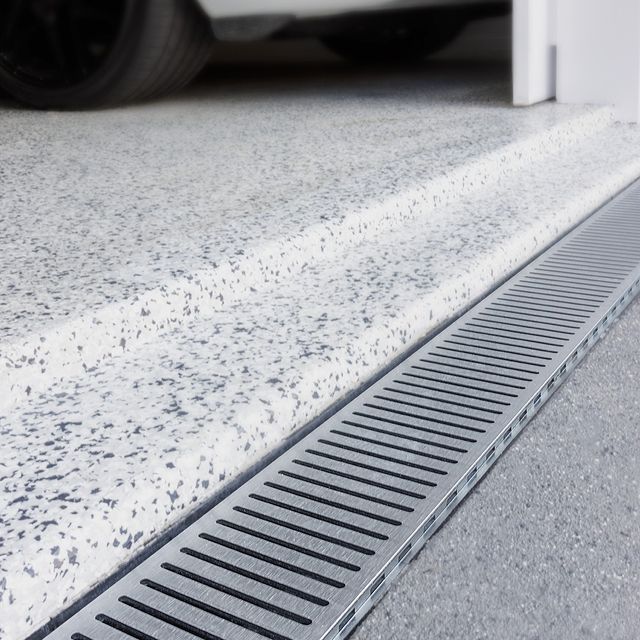
A linear drain, by contrast, demands a single-slope floor — the entire shower floor must pitch toward one wall where the drain channel is positioned. This requires precise planning from the subfloor stage and may complicate retrofits in existing bathrooms. For renovation projects or spaces with existing structural constraints, a square floor drain typically offers a significantly simpler installation path.
Waterproofing and Anti-Odor Considerations
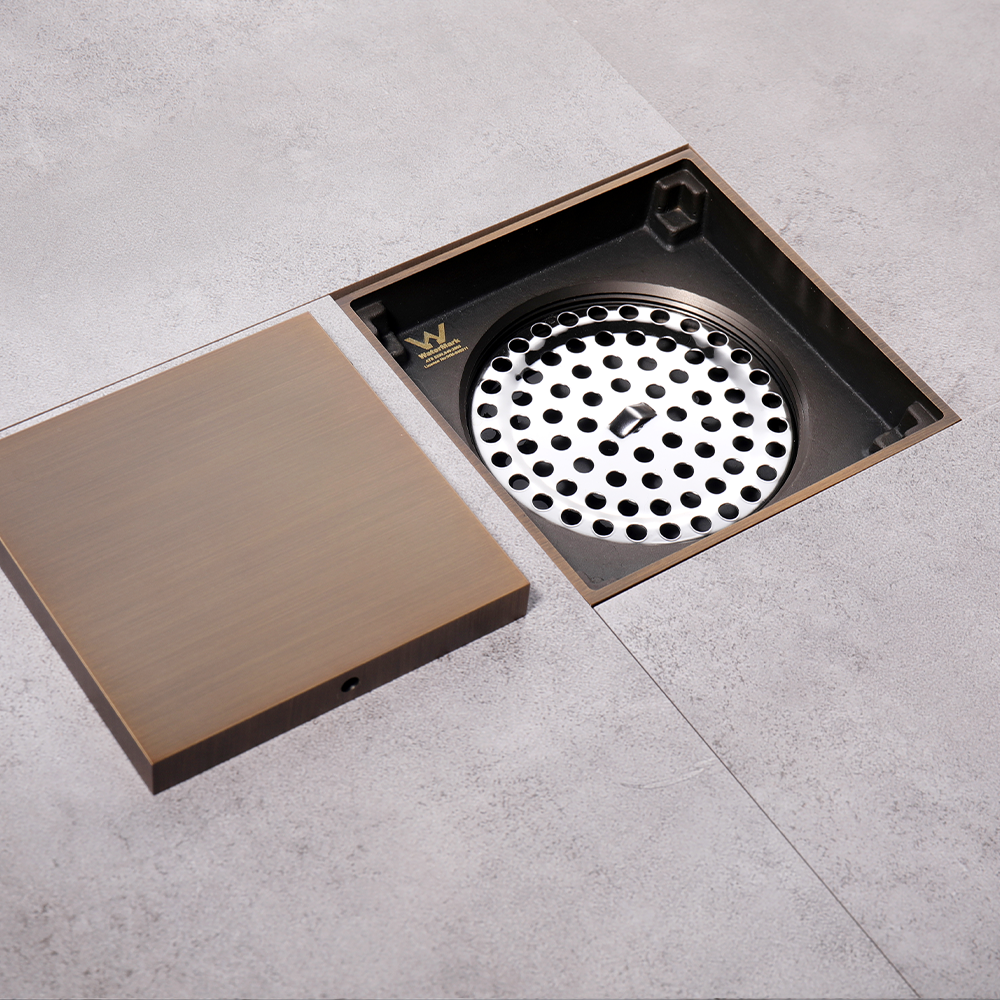
A quality square floor drain incorporates a built-in anti-odor mechanism, often a water seal trap or silicone membrane that prevents sewer gases from entering the room. Because the square floor drain has a compact body, its integrated anti-odor trap is easy to access and clean, which is critical for maintaining hygienic conditions over time. Linear drains require longer trap systems distributed across the channel, which can accumulate debris over a wider area and demand more frequent maintenance to remain odor-free. For homeowners and facility managers focused on low-maintenance performance, the square floor drain delivers a practical advantage in this category.
Performance, Flow Rate, and Application Suitability
Water Flow Capacity Compared
The flow rate of a square floor drain depends on its grate opening area and the diameter of its drain body. A standard square floor drain rated for residential use handles typical shower flow rates comfortably. High-capacity square floor drain models, with larger grate openings and wider drain bodies, are available for commercial applications such as spa facilities, gym changing rooms, and public shower blocks where simultaneous high-volume water discharge is expected. Linear drains can offer high aggregate flow rates due to their extended grate length, but a well-specified square floor drain with an appropriately sized outlet performs equally well in the vast majority of shower and wet room installations.
Best-Use Scenarios for Each Format
A square floor drain is the ideal choice for standard residential bathrooms, shower enclosures with symmetrical tile layouts, retrofit projects, and commercial facilities that prioritize simple maintenance. The square floor drain suits walk-in showers with barriers or shower trays, as well as open wet rooms where the floor slopes to a central point. Linear drains excel in walk-in, barrier-free showers — particularly those designed for accessibility compliance — and in spaces where large-format porcelain or stone tiles are used, because the single-slope floor allows full-sized tiles with minimal cutting. Knowing your tile selection, floor plan, and maintenance expectations before committing to either format will lead to a far more satisfying result.
FAQ
Is a square floor drain harder to clean than a linear drain?
A square floor drain is generally easier to clean than a linear drain. The compact grate of a square floor drain can be lifted and rinsed quickly, and the trap beneath it is accessible without removing extended channel components. Linear drains have longer interiors where hair and soap residue can accumulate along the full length of the channel, requiring more effort to clean thoroughly.
Can a square floor drain be used in a barrier-free shower?
Yes, a square floor drain can be used in a barrier-free shower, provided the floor is sloped correctly from all sides toward the center point where the square floor drain is located. However, linear drains positioned at the wall are sometimes preferred in barrier-free designs because the single-slope floor makes rolling access smoother. A square floor drain remains a fully functional option when the slope gradient meets accessibility requirements.
What size square floor drain is best for a home bathroom?
For a standard home bathroom or shower enclosure, a square floor drain with a 100mm to 150mm grate size and a 50mm outlet diameter is typically sufficient. The right size square floor drain depends on your shower area and expected water flow. Larger shower enclosures or rainfall showerhead setups may benefit from a square floor drain with a wider grate and outlet to ensure fast, complete drainage without pooling.