 EN

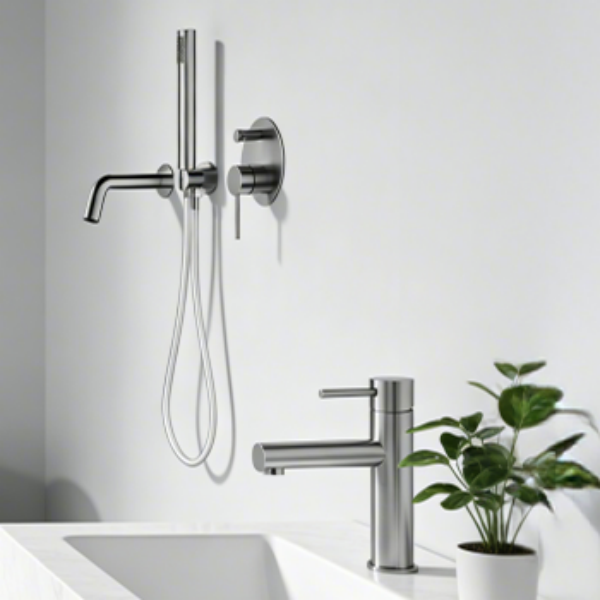
A thermostatic shower system represents more than a luxury upgrade to a bathroom. Its performance depends heavily on the temperature-control mechanism inside the valve. For residential bathrooms and commercial projects, understanding how this mechanism works helps buyers evaluate safety, temperature stability, maintenance, and service life.
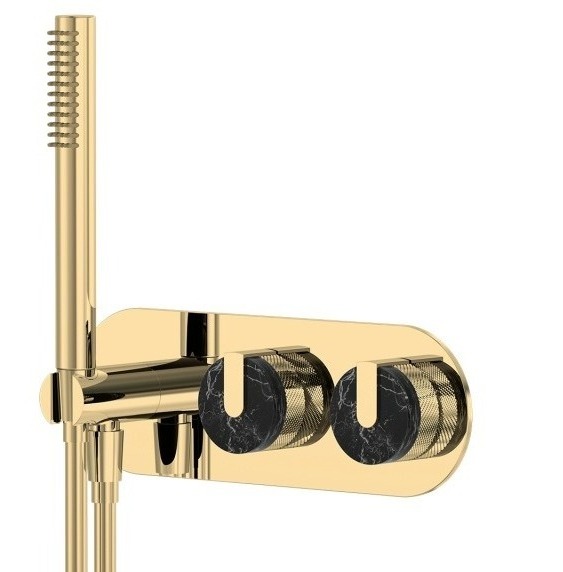
The temperature-control element manages the balance between hot and cold water so the outlet temperature remains close to the selected setting. This is particularly important in a modern concealed shower system, where the valve is installed behind the wall and may be difficult to access after finishing work. When a project specifies a shower faucet with temperature control, the valve specification deserves as much attention as the visible shower hardware. Systems may also combine an overhead shower, a spout with hand shower, and separate flow controls, making the internal valve selection important to the complete installation.
Understanding the Thermostatic Valve Role
How the Valve Controls Temperature
A thermostatic cartridge uses a temperature-sensitive element to react to changes in mixed-water temperature and adjust the hot and cold water balance. The exact internal design varies by manufacturer, but the purpose is consistent: compensate for changing supply conditions and maintain a stable outlet temperature.
Pressure changes can occur when another fixture is opened or a toilet is flushed. A properly designed thermostatic valve responds to those changes rather than leaving the user to make constant manual corrections. This creates a more predictable shower temperature and improves day-to-day comfort.
Why Temperature Control Matters for Safety
Temperature limiting is a key safety function of point-of-use shower valves. The ASSE 1016 standard covers automatic compensating valves for individual showers and tub/shower combinations, including thermostatic types. Local plumbing codes then determine how the selected valve must be installed, adjusted, and limited.
Maximum outlet temperature should not be presented as a universal cartridge specification. For example, the Uniform Plumbing Code includes requirements for limiting shower water temperature to 120°F (49°C) under specified conditions. Project teams should check the applicable code edition, local amendments, and manufacturer installation instructions rather than assuming that every thermostatic valve is factory-limited to the same temperature.
Performance Advantages of Quality Thermostatic Valves
Temperature Precision and User Comfort
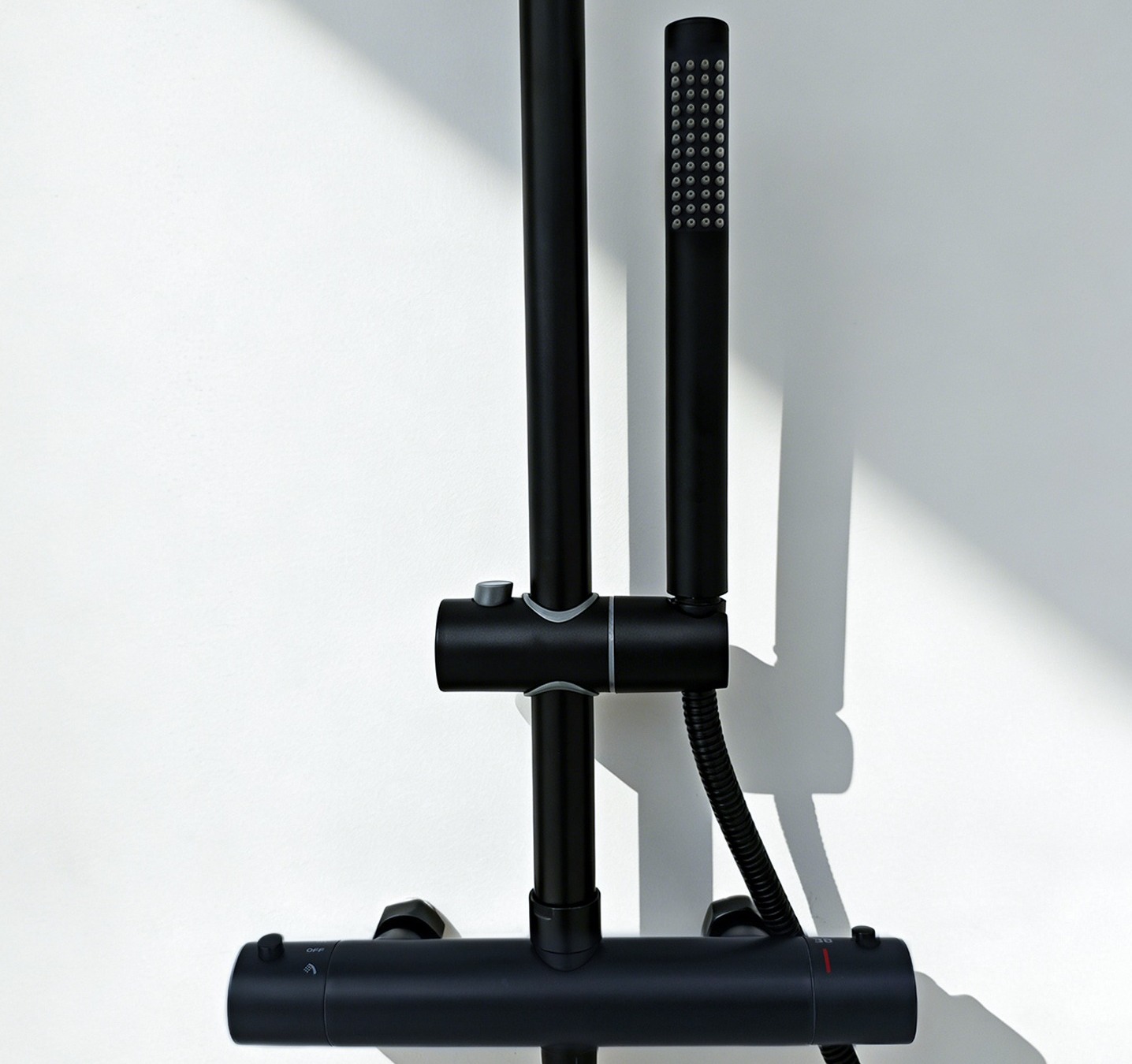
Some product specifications state temperature stability within ±2°C under defined test conditions. That figure should be treated as a product-level performance claim, not a universal characteristic of every thermostatic valve. When temperature precision is important to a hospitality or residential project, buyers should request the relevant test conditions and product documentation.
A quality valve allows users to set their preferred temperature while the shower head, hand shower, or spout operates without repeated manual adjustment. This is especially useful in concealed systems, where stable control reduces the need for intervention after installation.
When a project includes a thermostatic shower valve and coordinated shower fittings, the product specification should be checked as a complete system. Confirm flow requirements, connection dimensions, temperature settings, and service access before installation.
Durability and Reliability Over Time
The cartridge is a service component and can eventually require cleaning or replacement as seals, sensing elements, or other internal parts wear. Shower cartridge maintenance guidance also highlights common effects of mineral buildup and wear on cartridge performance. Water hardness, sediment, installation quality, operating temperature, and maintenance practices can all influence service life.
Because the valve is normally installed before wall finishes are completed, access and replacement should be considered during project planning. Choosing a configuration with available replacement parts and clear service instructions can reduce maintenance disruption later.
cUPC Compliance and Industry Standards
What cUPC Certification Means for Thermostatic Valves
cUPC is a certification mark associated with products that have been evaluated against applicable plumbing requirements. It should not be described as a universal North American standard or as a legal requirement for every installation. IAPMO explains its product testing and certification role for plumbing products and other water-system components. IAPMO's product testing and certification information can be used as a reference when reviewing certification documentation.
Whether certification is required depends on the product, jurisdiction, project specification, and applicable code. Procurement teams should verify the certification marking and listing for the exact valve or product assembly rather than assuming that a cUPC mark on one component automatically covers every part of a complete shower system.
How Standards Support Better Product Selection
Standards and third-party certification give buyers a more reliable basis for comparing products. They do not replace project-specific checks such as flow requirements, connection dimensions, temperature settings, compatibility, service access, or local code compliance.
For a hotel, residential development, or renovation project, the best approach is to compare the complete valve specification with the intended shower configuration. A visible trim set may look similar across products, while the internal control mechanism, certification status, and service requirements can differ significantly. Independent guidance on thermostatic shower valves also illustrates why separate temperature and flow control can improve user comfort and safety.
FAQ
Why is the valve cartridge important in a thermostatic shower system?
The cartridge or temperature-control element is responsible for responding to temperature changes and regulating the hot and cold water mix. If the internal control mechanism cannot maintain the selected temperature, the visible shower hardware cannot compensate for that problem.
How often does a thermostatic cartridge need replacement?
There is no universal replacement interval. Service life depends on water quality, operating conditions, cartridge construction, and maintenance. A better specification is to confirm replacement-part availability, service instructions, and warranty terms rather than rely on a fixed eight- or ten-year promise.
Can a non-cUPC thermostatic valve provide equivalent safety?
Certification provides third-party evidence that a product has been evaluated against applicable requirements, but safety also depends on installation, adjustment, and local code. Buyers should confirm the exact certification and applicable performance standard for the selected valve instead of assuming that non-certified products are equivalent or that certified products are automatically suitable for every jurisdiction.