 EN
EN

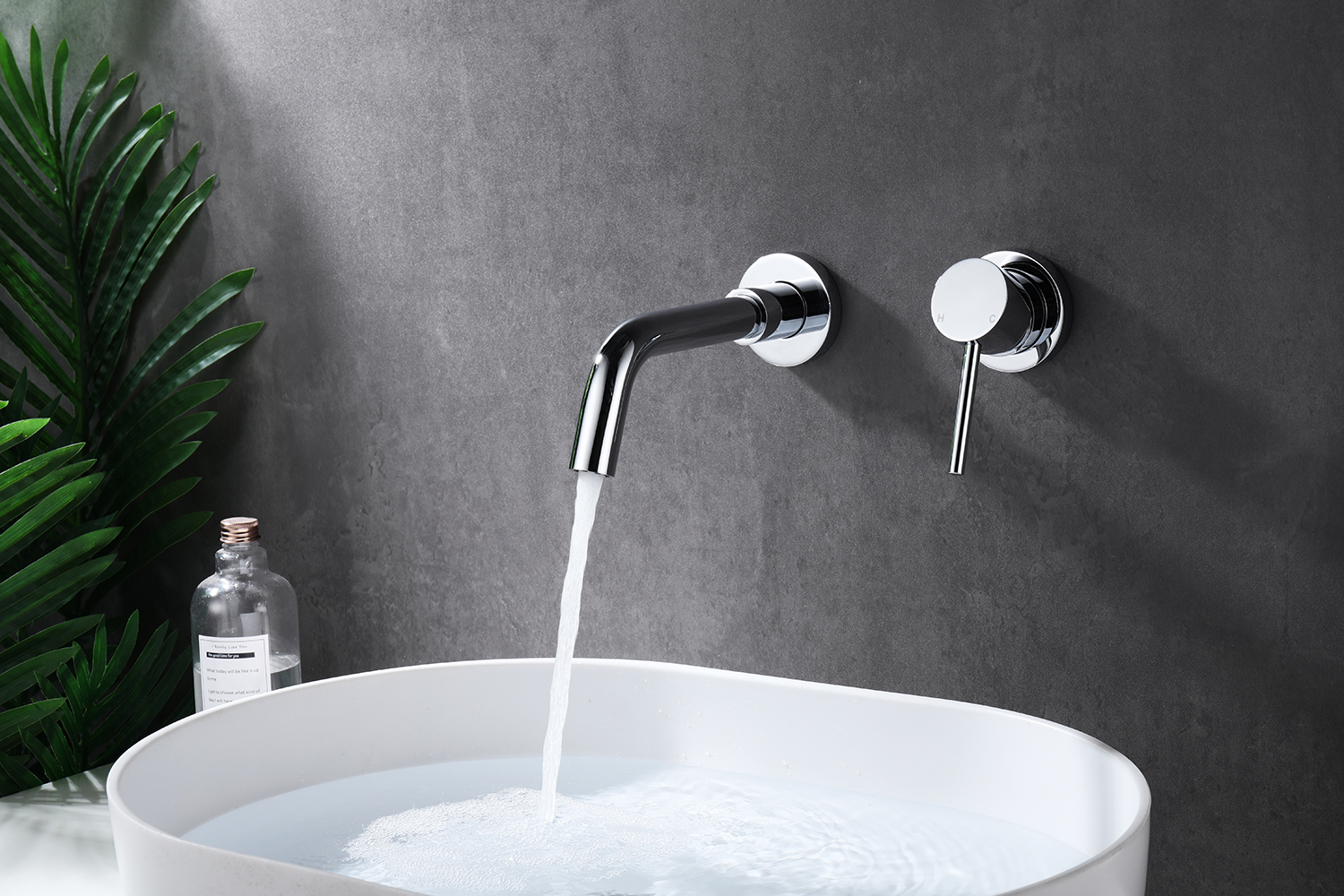
The aesthetic appeal and functional durability of bathroom faucet finishes have evolved significantly as we move into 2025, reflecting broader trends in interior design, material science, and consumer preferences. Homeowners, designers, and contractors are increasingly seeking bathroom faucet finishes that not only complement modern bathroom aesthetics but also withstand daily use while requiring minimal maintenance. Understanding which finishes dominate the market this year helps inform purchasing decisions that balance visual impact with long-term performance. This comprehensive exploration examines the most sought-after bathroom faucet finishes currently shaping residential and commercial bathroom design.
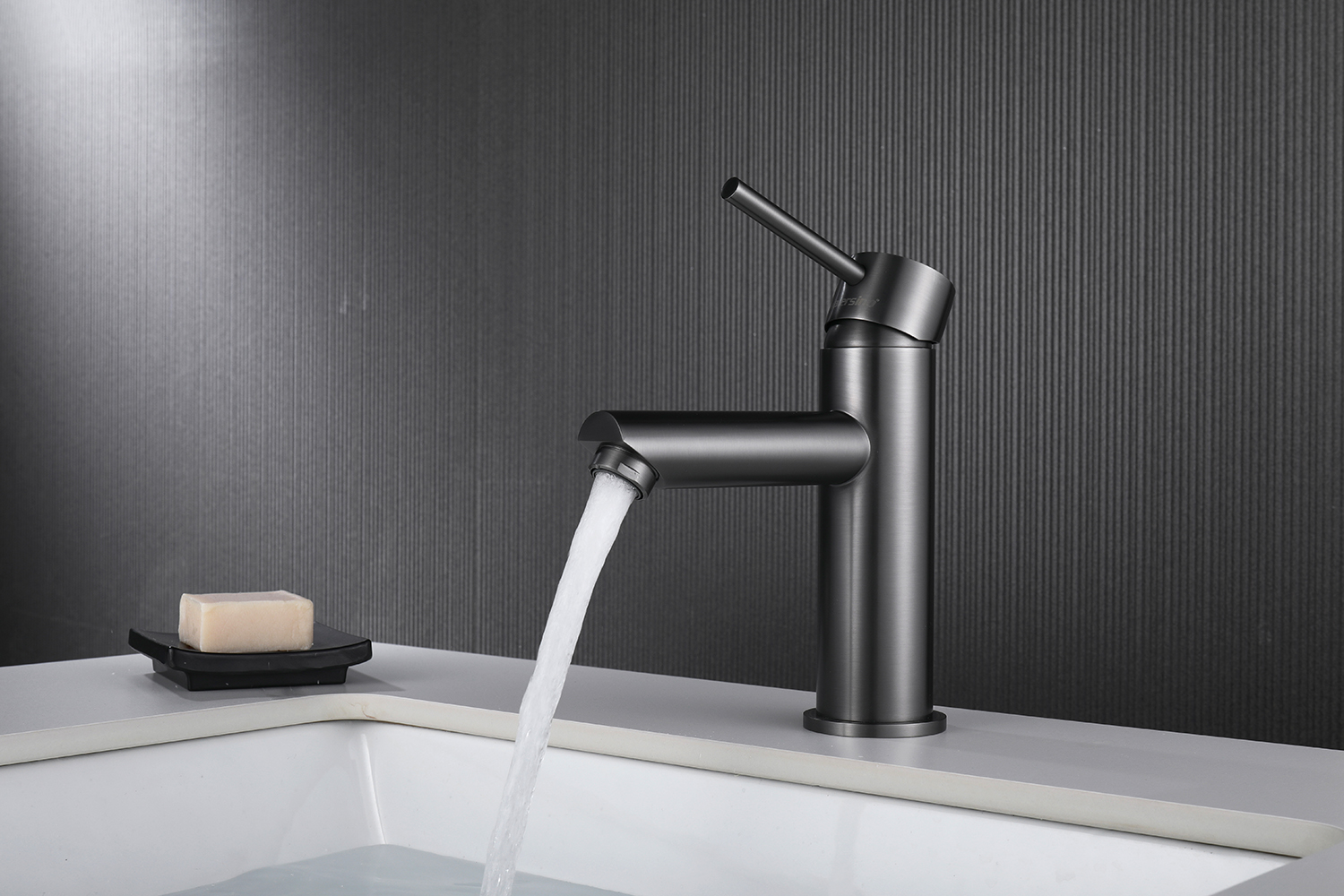
The popularity of specific bathroom faucet finishes in 2025 stems from several converging factors including sustainability concerns, technological advancements in coating applications, and the continued influence of minimalist and industrial design philosophies. Traditional chrome finishes maintain relevance while newer matte and brushed options capture growing market share among design-forward consumers. Additionally, mixed metal aesthetics have gained traction as homeowners embrace more personalized bathroom environments. The following sections detail the specific finishes that define bathroom faucet trends this year, explaining their appeal, practical characteristics, and ideal application scenarios.
Matte Black Finishes: The Dominant Trend
Rising Popularity and Design Appeal
Matte black bathroom faucet finishes have surged to the forefront of design preferences throughout 2024 and continue their dominance into 2025. This finish delivers a bold, contemporary statement that complements minimalist, industrial, and even transitional bathroom styles. The non-reflective surface creates visual depth and sophistication, allowing the faucet to function as both a functional fixture and an architectural focal point. Designers appreciate how matte black coordinates seamlessly with natural stone, white ceramics, and wood accents commonly found in modern bathrooms.
The psychological impact of matte black bathroom faucet finishes contributes significantly to their popularity. This finish conveys strength, permanence, and refinement without the formality associated with polished metals. Homeowners seeking to create spa-like environments or dramatic contrast in predominantly light-colored bathrooms find matte black particularly effective. The finish works equally well in powder rooms, master bathrooms, and commercial hospitality settings where memorable design moments matter.
From a practical perspective, matte black bathroom faucet finishes demonstrate excellent fingerprint and water spot resistance compared to polished alternatives. The textured surface naturally conceals minor imperfections and shows less visible wear over time. However, the coating quality varies significantly among manufacturers, making it essential to select products with advanced PVD or powder coating technologies that ensure durability and color consistency throughout the product's lifespan.
Maintenance Considerations and Longevity
Maintaining matte black bathroom faucet finishes requires understanding the specific coating composition. High-quality matte black finishes applied through Physical Vapor Deposition resist scratching, chemical damage, and fading better than painted alternatives. Routine cleaning with mild soap and soft cloths preserves the finish integrity, while abrasive cleaners or harsh chemicals can compromise the protective layer and expose underlying metals.
The longevity of matte black bathroom faucet finishes depends heavily on installation quality and water chemistry. Hard water areas may experience mineral buildup that appears more visible on dark surfaces, though regular wiping immediately after use prevents accumulation. Properly applied matte black finishes typically maintain their appearance for ten to fifteen years in residential applications, matching or exceeding the lifespan of traditional chrome when sourced from reputable manufacturers.
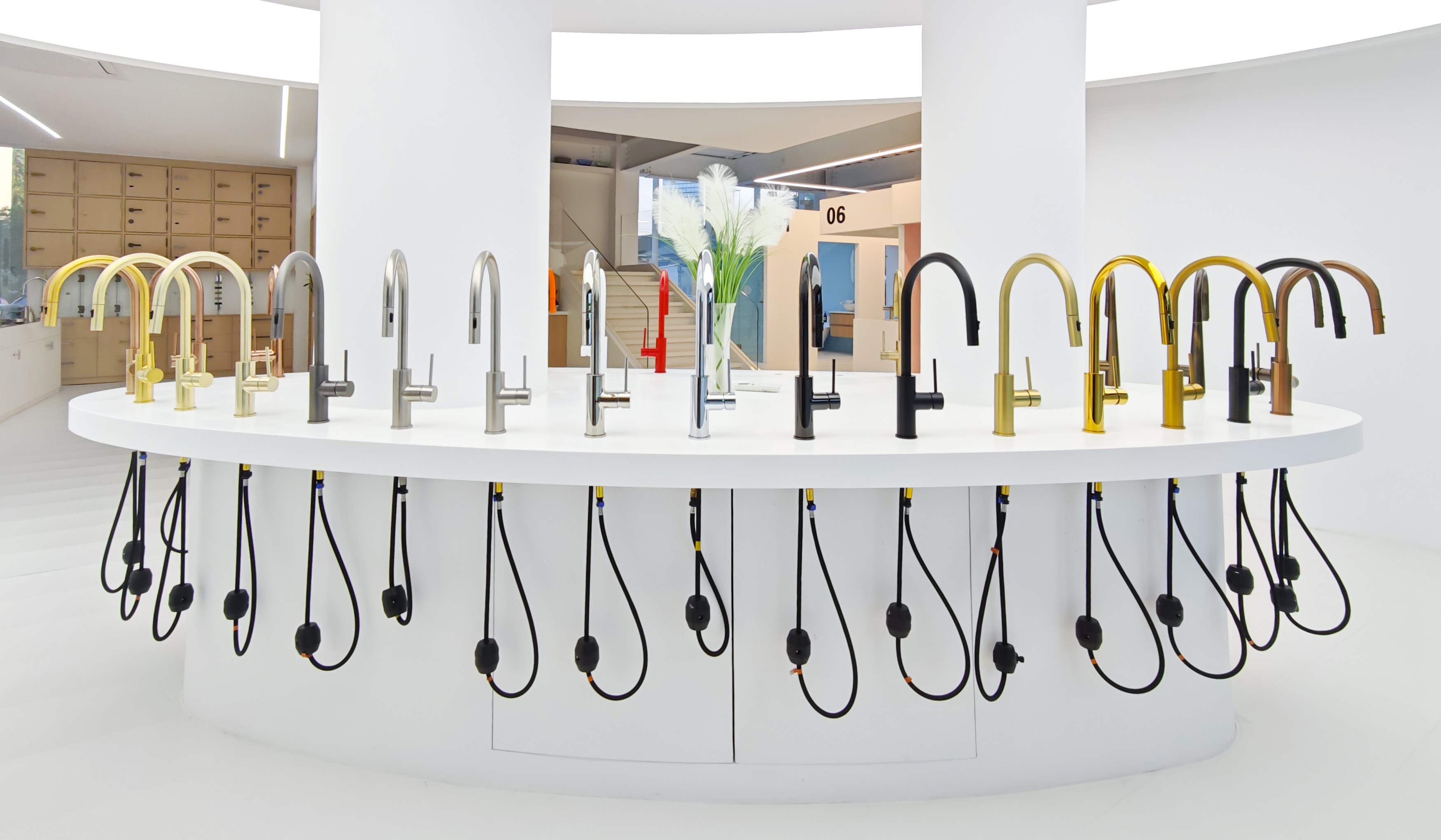
Brushed Nickel and Satin Finishes: Timeless Versatility
Enduring Market Presence
Brushed nickel remains one of the most popular bathroom faucet finishes in 2025 due to its remarkable versatility and proven track record. This finish features subtle linear brushing patterns that diffuse light rather than reflecting it sharply, creating a warm, sophisticated appearance that complements virtually any bathroom color scheme. The slightly golden undertone of quality brushed nickel distinguishes it from cooler-toned alternatives, adding warmth to spaces that might otherwise feel sterile.
The widespread adoption of brushed nickel bathroom faucet finishes stems partly from their neutral aesthetic that neither dominates nor disappears within bathroom design schemes. This characteristic makes brushed nickel particularly valuable in homes where bathroom updates occur periodically, as the finish coordinates well with evolving tile, countertop, and cabinetry choices. Real estate professionals often recommend brushed nickel for its broad appeal to potential buyers across demographic groups.
Satin finishes, closely related to brushed nickel, offer similar benefits with slightly different visual textures. These bathroom faucet finishes incorporate multidirectional brushing or specialized coating techniques that create softer, more uniform surfaces. Satin finishes excel in traditional and transitional bathroom designs where understated elegance takes precedence over bold statements.
Practical Performance Characteristics
The practical advantages of brushed nickel bathroom faucet finishes extend beyond aesthetics. The textured surface naturally conceals water spots, fingerprints, and minor scratches far better than polished finishes. This characteristic reduces maintenance frequency and helps faucets maintain a clean appearance between bathroom cleaning sessions. Homeowners with busy households particularly value this forgiving quality.
Durability testing demonstrates that properly applied brushed nickel bathroom faucet finishes resist corrosion, tarnishing, and wear exceptionally well. The finish typically consists of actual nickel plating rather than coating, providing inherent resistance to common bathroom chemicals including soaps, shampoos, and cleaning products. When damage does occur, brushed nickel shows wear more gradually and less noticeably than high-gloss alternatives, extending the perceived lifespan of the fixture.
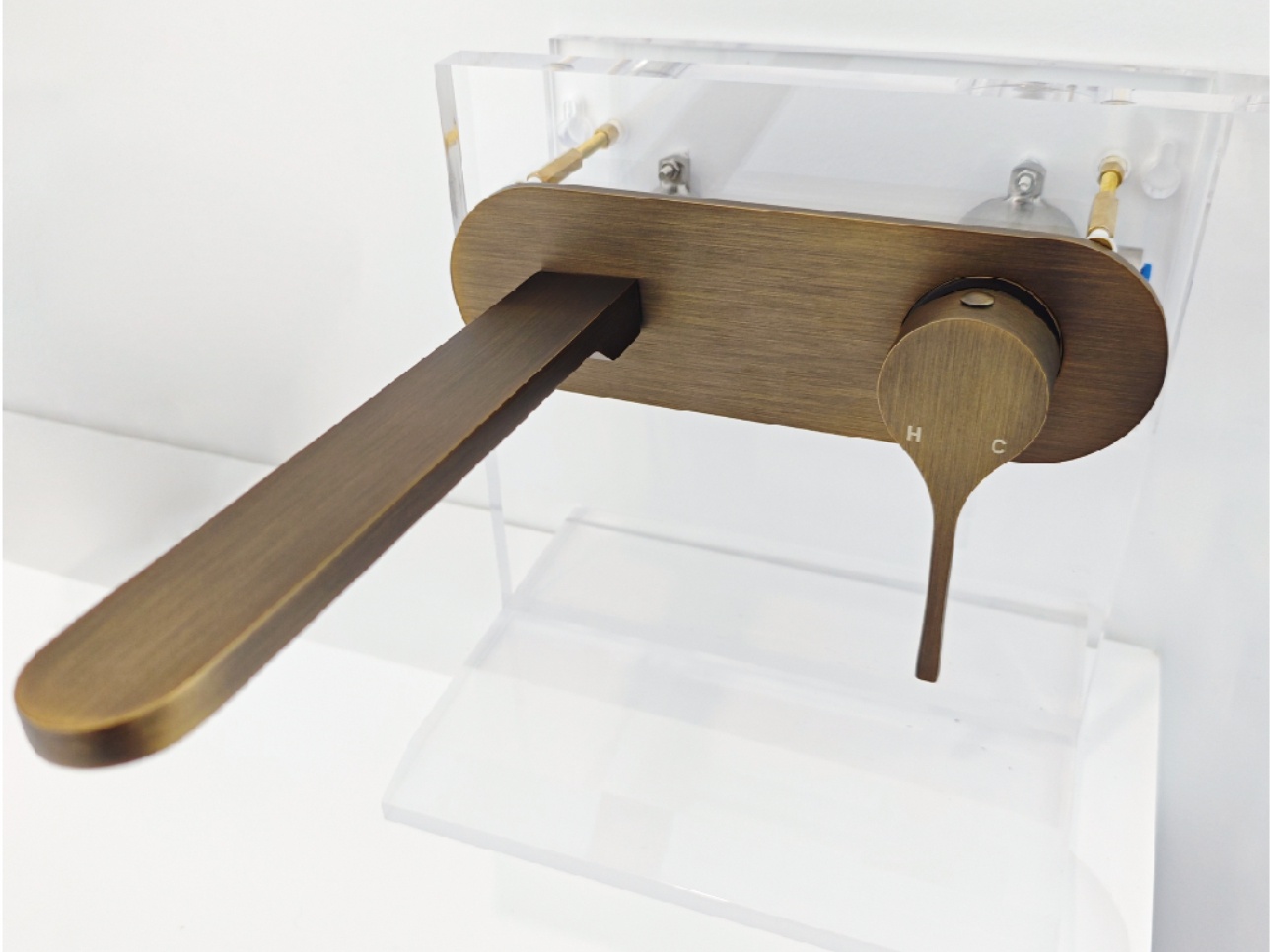
Chrome Finishes: Modern Interpretations of a Classic
Polished Chrome Evolution
Polished chrome bathroom faucet finishes maintain significant market presence in 2025, though with evolving applications and improved formulations. Traditional bright chrome delivers maximum reflectivity and a crisp, clean appearance that complements classic and contemporary bathroom designs. The mirror-like finish enhances perceived brightness in smaller bathrooms and creates visual continuity when coordinated with other chrome fixtures and accessories.
Modern chrome bathroom faucet finishes benefit from advanced electroplating technologies that produce harder, more durable surfaces than earlier generations. These improvements address historical concerns about chrome's susceptibility to water spotting and fingerprinting. While chrome still requires more frequent cleaning than brushed alternatives, contemporary formulations incorporate protective topcoats that reduce maintenance demands and extend finish lifespan.
The cost-effectiveness of chrome bathroom faucet finishes contributes to their continued popularity, particularly in builder-grade projects and budget-conscious renovations. Chrome typically costs less than specialty finishes while offering reliable performance and universal aesthetic compatibility. This economic advantage ensures chrome remains relevant despite competition from trendier alternatives.
Brushed Chrome and Variations
Brushed chrome represents a significant evolution in chrome bathroom faucet finishes, combining the durability and affordability of traditional chrome with the low-maintenance benefits of textured surfaces. This finish delivers a cooler, more contemporary appearance than brushed nickel while maintaining chrome's inherent resistance to corrosion and tarnishing. Brushed chrome works particularly well in modern and transitional bathrooms where warm metallic tones might clash with cool-toned tile and stone selections.
The manufacturing process for brushed chrome bathroom faucet finishes involves applying standard chrome plating followed by controlled abrasion that creates consistent linear patterns. This technique preserves chrome's protective qualities while substantially improving its resistance to visible water spots and fingerprints. The resulting finish requires significantly less maintenance than polished chrome while offering a distinctly modern aesthetic that bridges traditional and contemporary design sensibilities.
Specialty Finishes Gaining Market Share
Gold and Brass Tones
Gold-toned bathroom faucet finishes have experienced remarkable resurgence in 2025, moving beyond their previous association with outdated design trends. Contemporary interpretations include brushed gold, champagne bronze, and unlacquered brass, each offering distinct visual characteristics suited to specific design contexts. These warm metallic bathroom faucet finishes introduce luxury and personality into bathroom spaces while coordinating beautifully with popular natural materials including marble, wood, and stone.
Brushed gold and champagne bronze finishes provide the warmth of traditional brass without the high-maintenance requirements of living finishes. These bathroom faucet finishes resist tarnishing through advanced PVD coating technologies that bond metallic particles at molecular levels, creating exceptionally durable surfaces. The subtle variation in tone among gold-family finishes allows designers to select options that harmonize with specific lighting conditions and surrounding material palettes.
Unlacquered brass represents a niche but growing segment within bathroom faucet finishes, appealing to consumers who appreciate evolving patinas and authentic material expressions. This living finish darkens and develops character over time, creating unique visual qualities that reflect individual usage patterns. While requiring more maintenance knowledge than protective-coated alternatives, unlacquered brass delivers unmatched authenticity for traditional and farmhouse-style bathrooms.
Mixed Metal Concepts
The intentional mixing of bathroom faucet finishes within single bathroom spaces represents one of 2025's most significant design trends. This approach combines different metallic tones to create visual interest and personalized character. Common combinations include matte black faucets with brushed gold hardware, or brushed nickel faucets alongside oil-rubbed bronze accessories. This trend reflects broader movements toward eclectic, collected interiors that eschew overly coordinated aesthetics.
Successfully implementing mixed metal bathroom faucet finishes requires understanding basic coordination principles. Designers typically recommend limiting metallic finishes to two or three complementary tones and maintaining consistent finish textures throughout the space. The faucet often serves as either the dominant or accent finish depending on other bathroom elements. This strategic approach prevents visual chaos while maximizing design flexibility and personal expression.
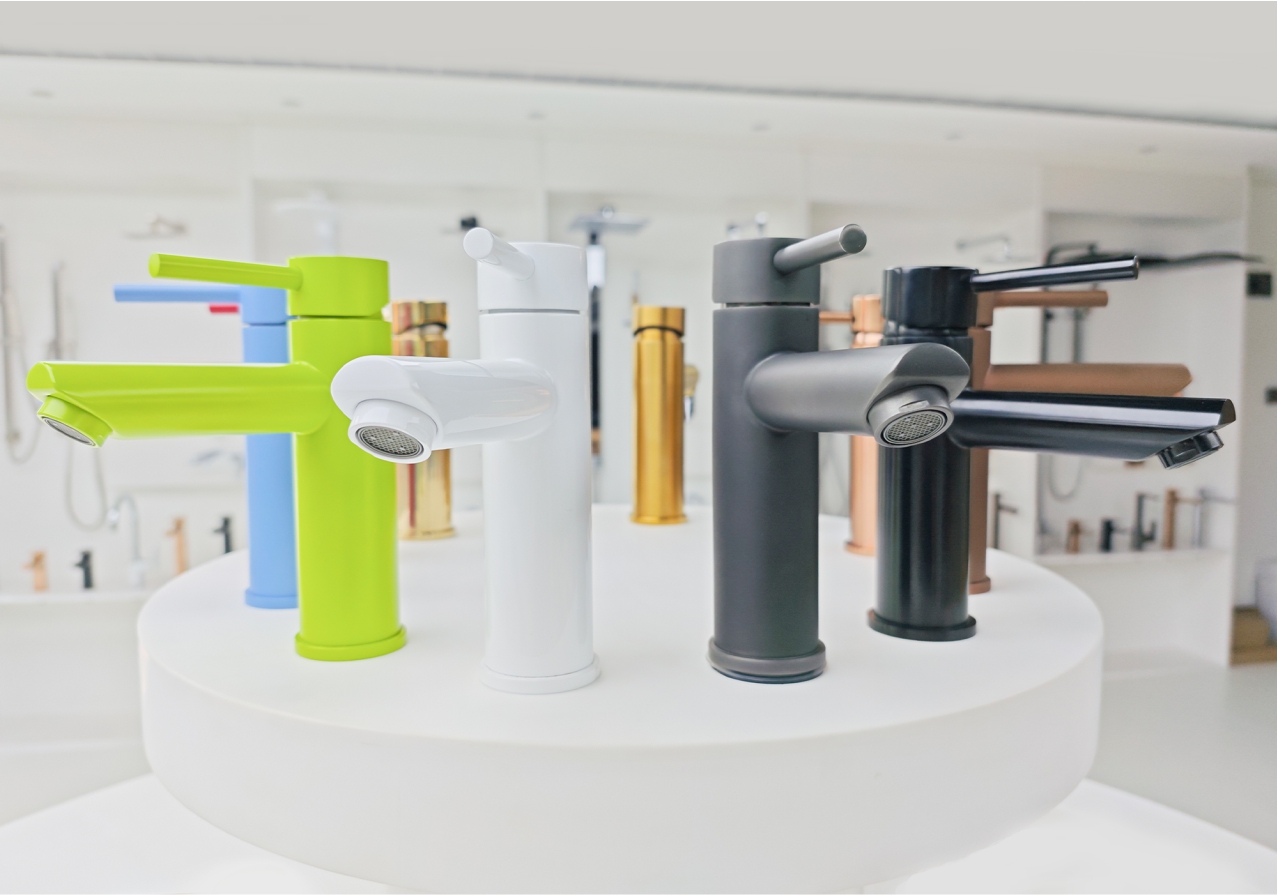
Selection Factors for 2025 Bathroom Projects
Coordinating with Overall Design Vision
Selecting appropriate bathroom faucet finishes requires evaluating how fixtures integrate within complete bathroom design schemes. The finish should complement rather than compete with dominant visual elements including tile, countertops, cabinetry, and architectural features. Matte black bathroom faucet finishes excel in creating contrast against light backgrounds, while brushed nickel provides continuity in neutral palettes. Understanding the intended mood and functional requirements guides finish selection toward options that enhance rather than detract from overall design objectives.
Lighting conditions significantly influence how bathroom faucet finishes appear in completed spaces. Natural daylight reveals different characteristics than artificial lighting, and the direction and intensity of light sources affect perceived color and texture. Evaluating finish samples under actual bathroom lighting conditions prevents disappointing surprises after installation. Reflective finishes like polished chrome amplify available light, benefiting smaller or darker bathrooms, while matte options absorb light to create more intimate atmospheres.
Long-term design flexibility represents another important consideration when choosing bathroom faucet finishes. Classic options like brushed nickel and chrome coordinate with evolving design trends, protecting renovation investments over time. More distinctive finishes including bathroom faucet finishes in matte black or gold tones create stronger statements but may require complementary updates to surrounding elements if design preferences change. Balancing personal style preferences with practical longevity concerns produces selections that remain satisfying throughout their functional lifespan.
Quality and Durability Assessment
The manufacturing quality of bathroom faucet finishes varies dramatically across price points and manufacturers, directly impacting both appearance and longevity. Premium finishes typically employ Physical Vapor Deposition or advanced electroplating techniques that create molecular bonds between base metals and finish layers. These processes produce bathroom faucet finishes with superior scratch resistance, chemical stability, and color consistency compared to painted or powder-coated alternatives.
Warranty terms provide valuable insights into manufacturer confidence regarding bathroom faucet finishes durability. Reputable manufacturers offering lifetime finish warranties typically employ superior coating technologies and quality control processes. Conversely, limited finish warranties or exclusions for specific damage types may indicate coating vulnerabilities. Reviewing warranty documentation before purchase helps identify products likely to maintain their appearance throughout extended service periods.
Water chemistry considerations affect bathroom faucet finishes performance, particularly in areas with hard water or unusual mineral content. Some finishes demonstrate greater resistance to mineral buildup and staining than others. Brushed and matte bathroom faucet finishes generally conceal mineral deposits better than polished alternatives, while certain coating technologies specifically resist corrosion from acidic or alkaline water conditions. Understanding local water characteristics helps identify finishes most likely to perform well in specific installation environments.
FAQ
What bathroom faucet finish is most durable for high-use applications?
Brushed nickel and quality matte black bathroom faucet finishes applied through Physical Vapor Deposition demonstrate exceptional durability in high-traffic residential and commercial applications. These finishes resist scratching, chemical damage, and visible wear better than polished alternatives. Brushed nickel offers the advantage of actual metal plating that maintains integrity even if surface scratching occurs, while properly applied matte black coatings bond at molecular levels for comparable longevity. Both options conceal minor imperfections and water spots effectively, reducing visible wear over time.
Are matte black bathroom faucet finishes difficult to maintain?
High-quality matte black bathroom faucet finishes require no more maintenance than other textured finishes when properly applied through advanced coating technologies. Routine cleaning with mild soap and soft cloths preserves appearance without special treatments. The matte surface naturally conceals fingerprints and water spots better than polished finishes, actually reducing maintenance frequency. However, coating quality varies significantly among manufacturers, making it essential to select products with proven PVD or powder coating durability to ensure long-term ease of maintenance and finish integrity.
Can different bathroom faucet finishes be mixed in the same bathroom?
Mixing bathroom faucet finishes within a single space has become an accepted and popular design practice in 2025, allowing for greater personalization and visual interest. Successful implementation typically involves limiting metallic tones to two or three complementary finishes and maintaining consistent textures throughout the space. Common effective combinations include matte black faucets with brushed gold or brass hardware, or brushed nickel faucets paired with oil-rubbed bronze accessories. The key lies in strategic rather than random mixing, ensuring one finish dominates while others provide intentional accent moments.
How do I choose between brushed nickel and chrome bathroom faucet finishes?
Selecting between brushed nickel and chrome bathroom faucet finishes depends on aesthetic preferences, maintenance expectations, and coordination with existing bathroom elements. Brushed nickel offers warmer tones with golden undertones, coordinates well with earth-toned materials, and conceals water spots effectively with minimal maintenance. Chrome provides cooler, brighter reflectivity that enhances perceived light, works well with white and cool-toned palettes, and costs less initially but requires more frequent cleaning to maintain appearance. Both finishes offer excellent durability and broad design compatibility, making personal aesthetic preference the primary deciding factor for most applications.