 EN
EN

Understanding shower faucet systems is essential before making any bathroom upgrade decision. Whether you are renovating an existing space or designing a new bathroom from scratch, the type of shower faucet systems you choose will shape both the daily user experience and the long-term performance of your plumbing setup. With so many configurations available on the market, it helps to know exactly what distinguishes one category of shower faucet systems from another.
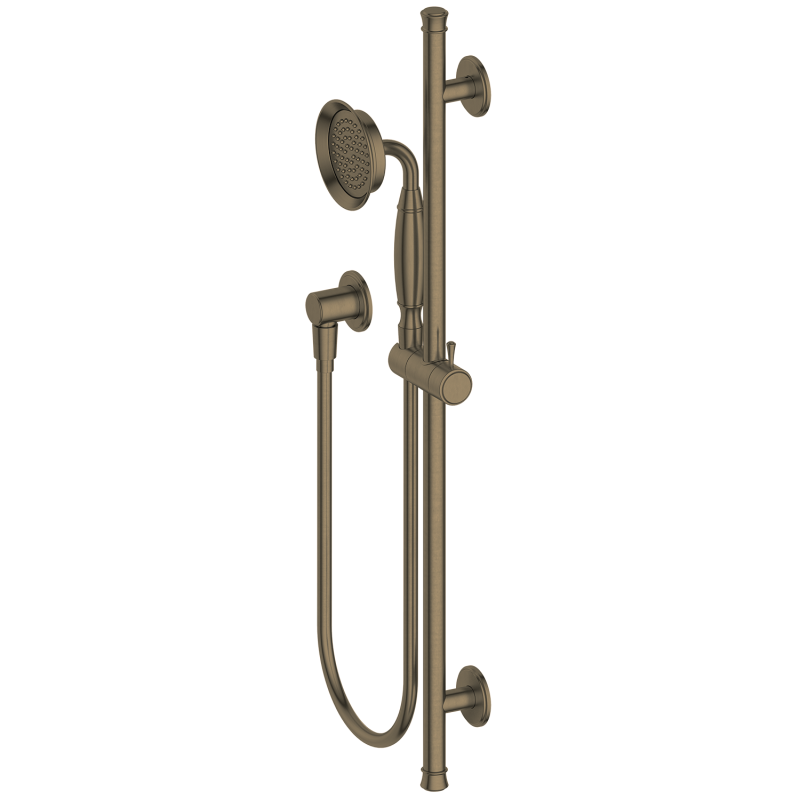
This guide breaks down the most common types of shower faucet systems used in residential and commercial bathrooms today. From basic single-handle designs to sophisticated thermostatic shower faucet systems, each type carries distinct advantages depending on your water pressure, usage habits, and aesthetic goals. By the end of this article, you will have a clear picture of which shower faucet systems align best with your specific needs.
Single-Handle and Double-Handle Shower Faucet Systems
Single-Handle Shower Faucet Systems
Single-handle shower faucet systems are among the most widely used configurations in modern bathrooms. These shower faucet systems use one lever or knob to control both water temperature and flow rate simultaneously. The user simply rotates or pushes the handle to adjust heat and pressure in one motion, making single-handle shower faucet systems especially convenient for quick daily use. They are straightforward to install and tend to be more affordable than multi-component shower faucet systems.
The mechanism behind single-handle shower faucet systems typically relies on a cartridge or ball valve. These internal components regulate the mix of hot and cold water as the handle moves along its arc. Because single-handle shower faucet systems combine two functions into one control point, they reduce the risk of accidental scalding when pressure-balancing valves are included. This makes them a practical choice for family bathrooms where children may also be using the shower.
Double-Handle Shower Faucet Systems
Double-handle shower faucet systems offer separate controls for hot and cold water. In these shower faucet systems, one handle manages the cold supply while the other controls the hot supply, giving the user more precise manual tuning of water temperature. Double-handle shower faucet systems are often preferred in traditional or vintage-inspired bathroom designs, where the dual-handle layout contributes to a classic aesthetic. The brass 87-series retro bathroom kit is a strong example of how shower faucet systems can combine period styling with practical dual-control functionality.
Thermostatic and Pressure-Balancing Shower Faucet Systems
Thermostatic Shower Faucet Systems
Thermostatic shower faucet systems represent a more advanced category of bathroom plumbing hardware. Unlike standard shower faucet systems, thermostatic shower faucet systems maintain a pre-set water temperature automatically, even if someone flushes a toilet or runs a tap elsewhere in the building. This consistency makes thermostatic shower faucet systems highly desirable in both luxury residential bathrooms and commercial hospitality settings. Once you set the temperature on thermostatic shower faucet systems, the valve continuously adjusts to compensate for any changes in supply pressure or temperature.
The added safety and comfort of thermostatic shower faucet systems come with a higher price point. However, for households with elderly users or young children, the thermal regulation built into these shower faucet systems can prevent injury from sudden temperature spikes. Many modern thermostatic shower faucet systems also allow the user to separate volume control from temperature control, adding another layer of flexibility to the shower experience.
Pressure-Balancing Shower Faucet Systems
Pressure-balancing shower faucet systems are a more affordable alternative that still provides meaningful safety protection. These shower faucet systems use a balancing spool or piston to equalize hot and cold water pressure whenever a fluctuation occurs elsewhere in the plumbing system. While pressure-balancing shower faucet systems do not maintain a precise temperature as effectively as thermostatic models, they do prevent sudden scalding or cold shocks. Pressure-balancing shower faucet systems are required by building codes in many regions, making them one of the most commonly installed types in new construction.
Exposed, Concealed, and Retro Shower Faucet Systems
Exposed and Concealed Shower Faucet Systems
Shower faucet systems can also be categorized by how their pipework and valve body are installed. Exposed shower faucet systems have visible pipes and hardware mounted on the wall surface, which makes them easier to maintain and repair without opening walls. These shower faucet systems often have an industrial or vintage appearance that suits certain design aesthetics. Concealed shower faucet systems, by contrast, hide the valve body and supply pipes behind the wall, presenting a clean and minimalist look. Concealed shower faucet systems require more careful planning during construction but produce a sleek finished surface that appeals to contemporary bathroom styles.
Retro and Classic-Style Shower Faucet Systems
Retro-style shower faucet systems combine the mechanical layout of exposed configurations with decorative detailing that evokes earlier eras of design. Brass shower faucet systems in this category often feature cross-handle valves, lever-arm fittings, and ceiling-mounted or wall-mounted rain heads that create a timeless bathroom atmosphere. These shower faucet systems appeal strongly to boutique hotels, heritage renovation projects, and homeowners who value character over minimalism. When selecting retro shower faucet systems, it is important to confirm that the internal components meet current performance standards, since the classic exterior of these shower faucet systems should not come at the cost of water efficiency or pressure reliability.
FAQ
What is the main difference between thermostatic and pressure-balancing shower faucet systems?
Thermostatic shower faucet systems actively maintain a pre-set water temperature by continuously adjusting the hot and cold mix, while pressure-balancing shower faucet systems only equalize pressure to prevent sudden temperature changes. Thermostatic shower faucet systems offer greater comfort and precision, whereas pressure-balancing shower faucet systems are more affordable and widely code-compliant.
Are exposed shower faucet systems harder to maintain than concealed ones?
Exposed shower faucet systems are generally easier to maintain because the pipework and valve body remain accessible without cutting into the wall. Concealed shower faucet systems offer a cleaner visual result but require more effort to access internal components if repairs are needed. The choice between these shower faucet systems often depends on how you balance aesthetics against long-term maintenance convenience.
Can retro-style shower faucet systems meet modern performance standards?
Yes, many retro-style shower faucet systems are built with modern internal cartridges and pressure-balancing or thermostatic valves beneath their classic exteriors. The vintage appearance of these shower faucet systems does not necessarily indicate outdated performance. When purchasing retro shower faucet systems, always review the technical specifications to confirm flow rate, pressure compatibility, and valve type meet current building standards.