 EN
EN

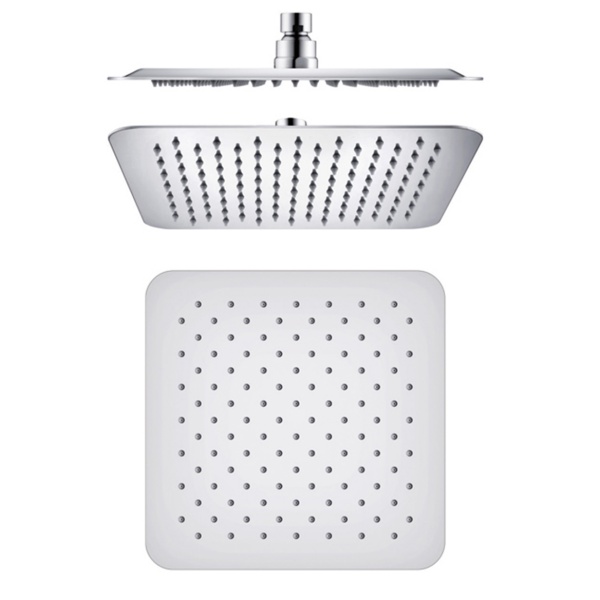
Choosing the right shower faucet for your bathroom is not purely a matter of style. The material used in a shower faucet directly determines how long it will last, how well it resists corrosion, and how reliably it performs under daily water pressure and temperature changes. Selecting the wrong material can lead to leaks, rust, and costly replacements within just a few years.
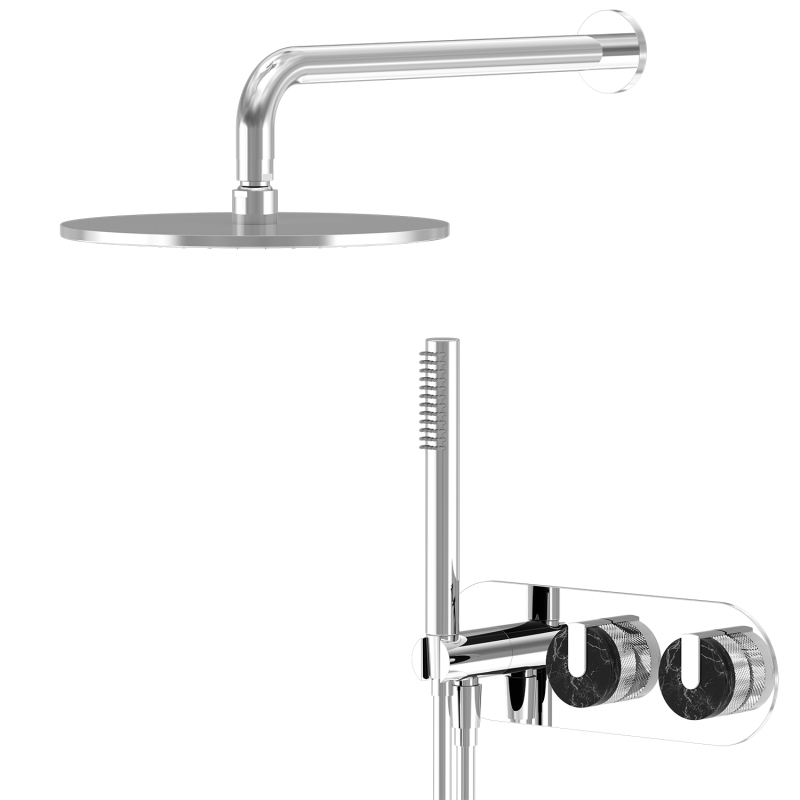
Understanding which materials deliver the best durability helps you make a smart long-term investment. Whether you are upgrading a residential bathroom or specifying fixtures for a commercial project, the core material of your shower faucet body, valves, and finish will determine its real-world lifespan. This article breaks down the leading material options, compares their strengths, and explains what to look for when evaluating any shower faucet for lasting performance.
Core Body Materials and Their Impact on Shower Faucet Longevity
Brass as the Industry Standard for Shower Faucet Durability
Brass remains the most trusted material for a durable shower faucet body. It is a copper-zinc alloy that offers exceptional resistance to corrosion, high tolerance for fluctuating water temperatures, and a naturally dense structure that resists cracking under pressure. A shower faucet made from brass can reliably function for decades in both residential and commercial environments. The material does not degrade when exposed to chlorinated water, which is critical in most municipal water supplies. DZR brass, or dezincification-resistant brass, represents an even more advanced variant specifically engineered to prevent the zinc from leaching out in aggressive water conditions, making it the preferred choice for a high-performance shower faucet in areas with acidic or hard water.
Stainless Steel and Zinc Alloy in Shower Faucet Construction
Stainless steel is another strong contender for shower faucet construction. It offers excellent rust resistance, a clean aesthetic, and solid structural integrity. However, stainless steel shower faucet components are more difficult to machine than brass, which can increase production costs and affect the precision of internal valve fittings. Zinc alloy is a more affordable material used in some shower faucet models, particularly in the budget segment. While zinc alloy can be cast into complex shapes, it is more vulnerable to corrosion over time, especially in humid bathroom environments. A shower faucet built from zinc alloy typically has a shorter service life than one constructed from brass or stainless steel, and it may be more prone to surface pitting and internal mineral buildup.
Surface Finishes That Protect a Shower Faucet from Wear
Chrome, PVD, and Brushed Finishes Explained
The external finish of a shower faucet plays a significant role in its durability beyond aesthetics. Chrome plating is the most widely used finish because it creates a hard, smooth surface that resists scratches, tarnishing, and moisture damage. A chrome-finished shower faucet is easy to clean and maintains its appearance over years of regular use. PVD, or physical vapor deposition, is a more advanced coating technology that bonds a thin metallic layer onto the shower faucet surface at the molecular level. PVD-finished shower faucet products are significantly more resistant to fading, peeling, and chemical exposure compared to standard chrome. Brushed nickel and matte black are also popular finishes, though they vary in their durability depending on whether the coating is applied via PVD or conventional electroplating. For the longest-lasting shower faucet finish, PVD-coated surfaces on a brass body represent the current industry benchmark.
How Finish Quality Affects Internal Shower Faucet Components
While surface finishes primarily protect the exterior of a shower faucet, they also reflect the overall quality standard applied throughout the product. A shower faucet manufactured with a high-grade PVD finish typically also uses better internal ceramic disc cartridges, improved O-ring seals, and tighter tolerance fittings. Ceramic disc valves within a shower faucet are highly durable because they use two precisely ground ceramic discs that create a watertight seal without wearing out like traditional rubber washers. Investing in a shower faucet with ceramic disc technology dramatically reduces the chance of drips, leaks, and maintenance issues over the product lifecycle.
Environmental Factors That Influence Shower Faucet Material Choice
Water Quality and Its Effect on Shower Faucet Materials
The quality of your local water supply is one of the most important factors when choosing a shower faucet material. Hard water, which carries high concentrations of calcium and magnesium, accelerates mineral scaling inside a shower faucet and can gradually degrade internal components. Soft or acidic water poses a different risk by promoting dezincification in standard brass shower faucet bodies, which is why DZR brass is strongly recommended in such environments. Chlorinated water, common in municipal systems, can attack lower-grade zinc alloy shower faucet bodies and degrade rubber seals faster than expected. Understanding your local water chemistry allows you to match the shower faucet material specification to the actual conditions it will face.
Temperature Cycling and Pressure Stress on a Shower Faucet
A shower faucet in daily use is constantly subjected to temperature cycling as hot and cold water alternates through the valve body. This thermal expansion and contraction puts stress on the material joints and seals of any shower faucet over time. Brass handles this thermal cycling better than zinc alloy because of its superior ductility and structural resilience. High water pressure is another stress factor that a poorly constructed shower faucet may not withstand consistently. A shower faucet designed for commercial or high-flow residential applications should use thick-walled brass castings and robust ceramic cartridges to maintain performance under demanding conditions. Checking the pressure rating of a shower faucet before purchase is a practical quality indicator that is often overlooked.
FAQ
Why is brass the best material for a shower faucet body?
Brass offers the best combination of corrosion resistance, thermal durability, and machinability for a shower faucet body. DZR brass specifically resists dezincification in challenging water conditions, making it the top material choice for long-lasting shower faucet performance in both residential and commercial settings.
How does water quality affect shower faucet material selection?
Hard water causes mineral scaling inside a shower faucet, while acidic or soft water can corrode standard brass components. Selecting a shower faucet made from DZR brass with ceramic disc valves provides the best protection against the most common water quality challenges and extends service life significantly.
Is a PVD finish worth the extra cost for a shower faucet?
Yes, a PVD finish on a shower faucet is a worthwhile investment for long-term durability. PVD coatings bond at the molecular level and resist fading, peeling, and chemical damage far better than standard chrome plating, helping your shower faucet maintain its appearance and protective surface layer for many years.